
Key Takeaways
- Blloku was the forbidden residential zone for Albania’s communist elite until 1991 — ordinary citizens couldn’t even walk through it
- Today it’s the beating heart of Tirana’s nightlife, café culture, and street food scene
- Enver Hoxha’s former villa still stands at its center — a quiet reminder of what this neighborhood used to be
- The best time to experience Blloku is from late afternoon into the night, especially on weekends
Table of Contents
I’ve been walking through Blloku for over twenty years now, and every time, the irony hits me fresh. This neighborhood — the one with the overpriced cocktails and the Italian-dressed twentysomethings posing for Instagram — was once the most forbidden patch of ground in all of Albania. For nearly five decades, you could not set foot here unless you were part of the inner circle of the Communist Party. Regular people? You didn’t even look this direction too long.
Now it’s where half of Tirana comes to drink espresso at 11 PM on a Tuesday. That’s Blloku for you.
See Blloku the way locals do, after dark
A small-group food-and-drinks tour is the easiest way into Blloku bars and street food, with someone who knows which places are worth it.
See Tirana food and drink tours →The Forbidden Block
During the communist period (1944–1991), Blloku — which literally means “The Block” — was the exclusive residential compound for Albania’s Politburo members and top party officials. It was physically cordoned off from the rest of Tirana. Guards patrolled the perimeter. No ordinary citizen had any business being here, and everyone knew it.
The area centered around what is now Rruga Ismail Qemali and the streets branching off it. The villas were spacious by Albanian standards (which is to say, modest by anyone else’s), with gardens and relative quiet — a different universe from the cramped apartment blocks where everyone else lived. The most prominent residence belonged to Enver Hoxha himself, the dictator who ruled Albania from 1944 until his death in 1985.
Did you know?
During communism, Blloku was so restricted that even the trees were trimmed to ensure clear sightlines for security. Residents of the surrounding neighborhoods grew up knowing this area existed but never seeing inside it.
When communism collapsed in 1991, Blloku was literally thrown open to the public. People flooded in — partly out of curiosity, partly out of a sense of reclaiming something that had been stolen from them. Within a few years, the first cafés started appearing. By the late 1990s, it was already becoming what it is today.
What Blloku Is Now
Planning a Trip to Tirana?
Get my free Tirana in 48 Hours checklist with day-by-day itinerary, prices, and local tips.
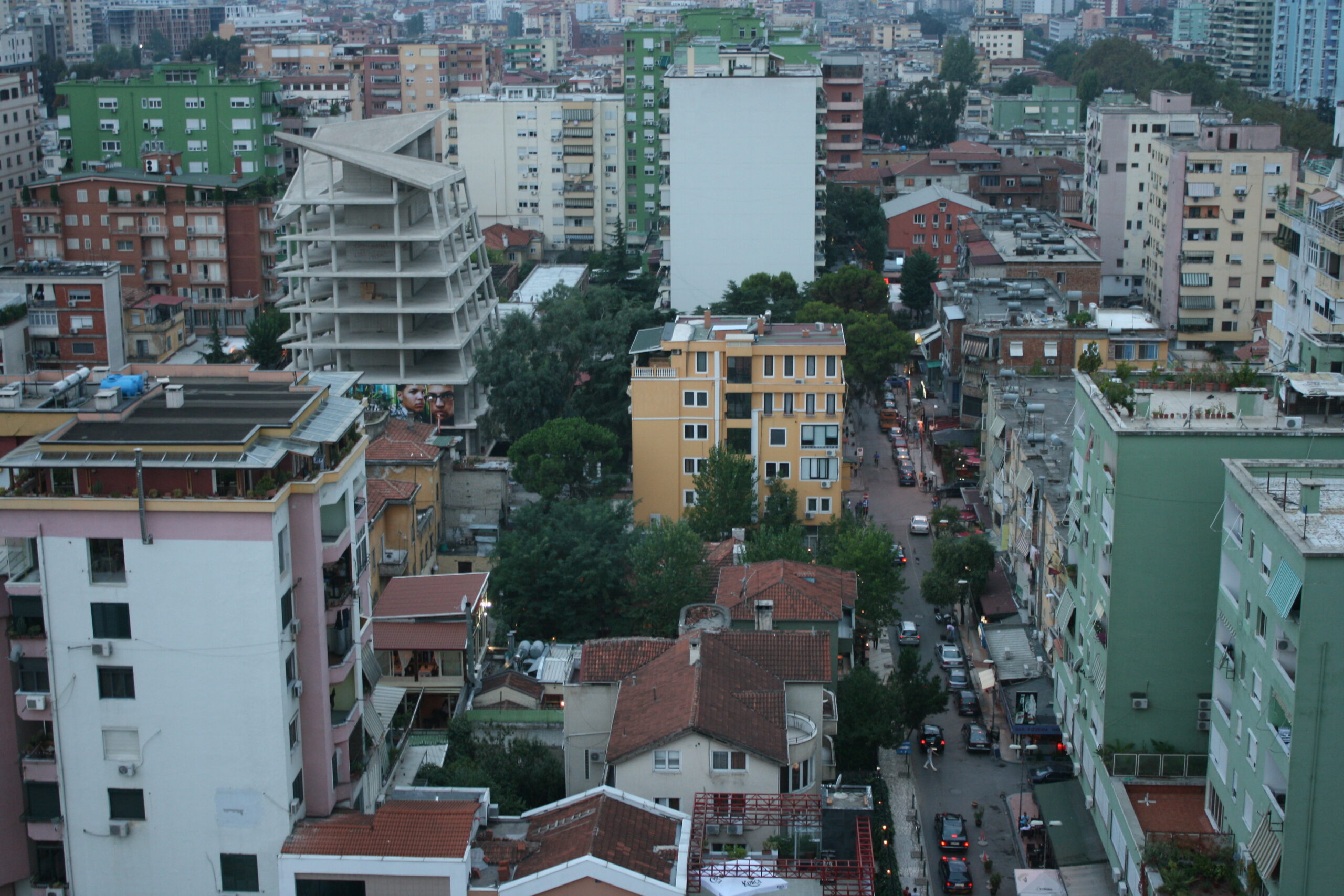
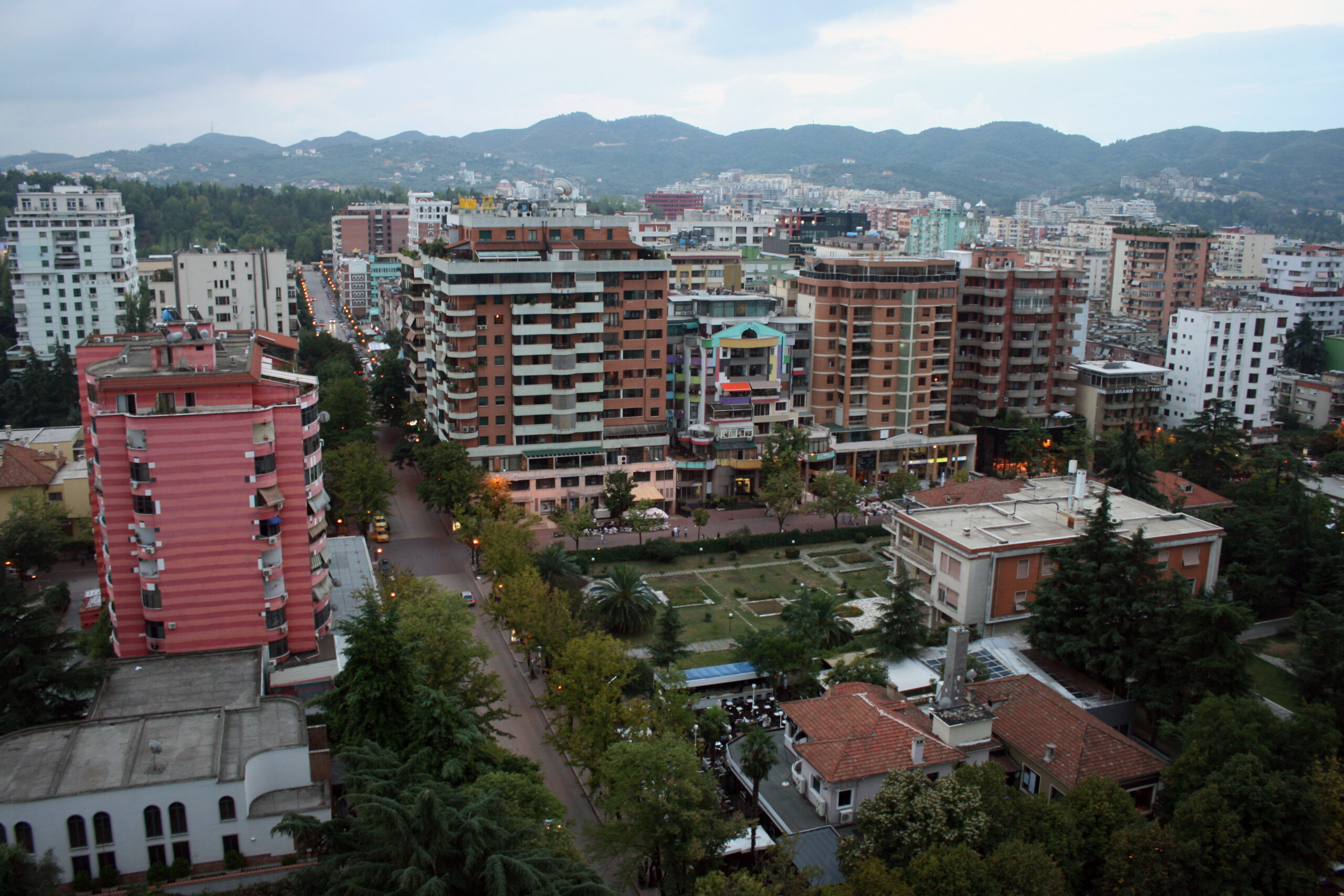
Get the Free Checklist →If Tirana has a downtown in the cultural sense — a place where people go to see and be seen — it’s Blloku. The neighborhood is roughly bounded by Rruga Ibrahim Rugova to the west, Rruga Sami Frashëri to the north, Rruga Pjetër Bogdani running through the middle, and Rruga Vaso Pasha to the south.
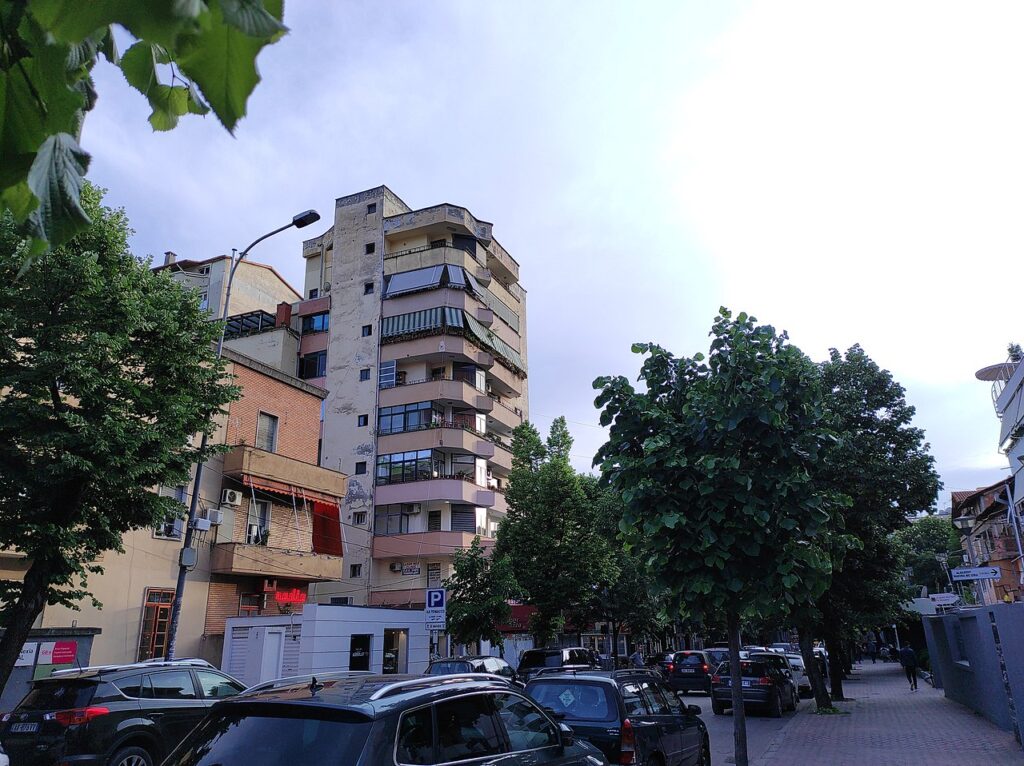
Every other building at street level is a café, restaurant, bar, boutique, or some combination of the four. The architecture is an unplanned mix of communist-era villas (some beautifully restored, some not), new glass-and-steel builds, and the occasional brutalist apartment block with a trendy cocktail bar on the ground floor. It shouldn’t work visually, but somehow it does. That’s Tirana’s aesthetic in a nutshell.
The streets here are walkable and relatively narrow by Tirana standards, lined with mature trees that form a canopy in summer. On warm evenings — and Tirana has a lot of warm evenings — the sidewalks overflow with tables, chairs, and people. The pedestrian section along Rruga Pjetër Bogdani is especially packed.
The Café Culture
You cannot understand Blloku without understanding Albanian café culture. We drink coffee here the way other cultures drink water — constantly, socially, and with no particular urgency. A macchiato (we say “makiato”) costs 80–120 lek (roughly €0.70–€1.00) at most places. In the fancier Blloku spots, you might pay 200–250 lek, which is still under €2.50.
The ritual is this: you sit down, you order a coffee, and you stay as long as you want. An hour, two hours, three hours. Nobody rushes you. The waiter won’t bring the check until you ask for it. This isn’t a Starbucks grab-and-go culture. This is Mediterranean sitting culture, and Blloku is its temple.
The outdoor terraces start filling up around 10 AM and don’t empty until well past midnight. On weekends, finding a table after 7 PM requires either luck or knowing someone. The people-watching is unmatched anywhere else in Albania (and I say that as someone who’s spent time in Sarandë and Vlorë during peak summer).
A few cafés that stand out
You honestly cannot go wrong sitting down anywhere in Blloku for a coffee, but if you want a direction: Çoko Bistro Bar does a warm room and food good enough to make it a breakfast stop, and Capriccio works as a café by day before it turns into an evening spot. Half the pleasure, though, is just claiming a terrace on Rruga Pjetër Bogdani and watching Tirana walk by.
After Dark
Blloku at night is a different animal entirely. The cafés that served macchiatos at noon now serve cocktails and local wine. Music spills out from every other doorway. The crowd shifts younger — university students and young professionals who treat Blloku like their living room.
The bar scene here ranges from quiet wine bars with exposed brick walls to full-volume clubs that don’t hit their stride until 1 AM. Cocktail prices run from 500–800 lek (€4.50–€7.50), which still shocks visitors from Western Europe who can’t believe they’re paying this little for a well-made Aperol Spritz.
Rruga Pjetër Bogdani is the main nightlife artery. But the side streets — especially the ones running perpendicular between Bogdani and Sami Frashëri — are where the more interesting, less touristy spots hide. I’d tell you specific names, but half of them will have changed by the time you read this. Blloku’s bar scene turns over fast (that said, some spots like Radio Bar and Nouvelle Vague have stayed consistent).
One thing to note: Tirana nightlife starts late by most standards. Don’t show up at a bar at 8 PM expecting atmosphere. Come at 10 PM. Better yet, 11 PM. On weekends, some places are still going at 4 AM.
The bars that have lasted
Blloku’s bar scene turns over fast, but a handful of places have earned their spot and kept it. These are the ones I would steer a first-timer toward:
- Radio Bar — the neighborhood institution, off Rruga Ismail Qemali, decked out in old radios and retro furniture. Good cocktails, an easy crowd, and somehow it still feels like a discovery.
- Nouvelle Vague — a long-running favorite for a relaxed drink, popular with the artier end of the Blloku crowd.
- Sòrso — a speakeasy-style wine and cocktail bar for when you want something quieter and more considered.
- Juliette — a proper cocktail bar with skilled bartenders; ask what they are doing with raki, because raki-based cocktails are becoming a Tirana specialty.
- Capriccio — brewery-style and one of the oldest spots in the Block, good for a beer and an unfussy evening.
Street Food Worth Stopping For
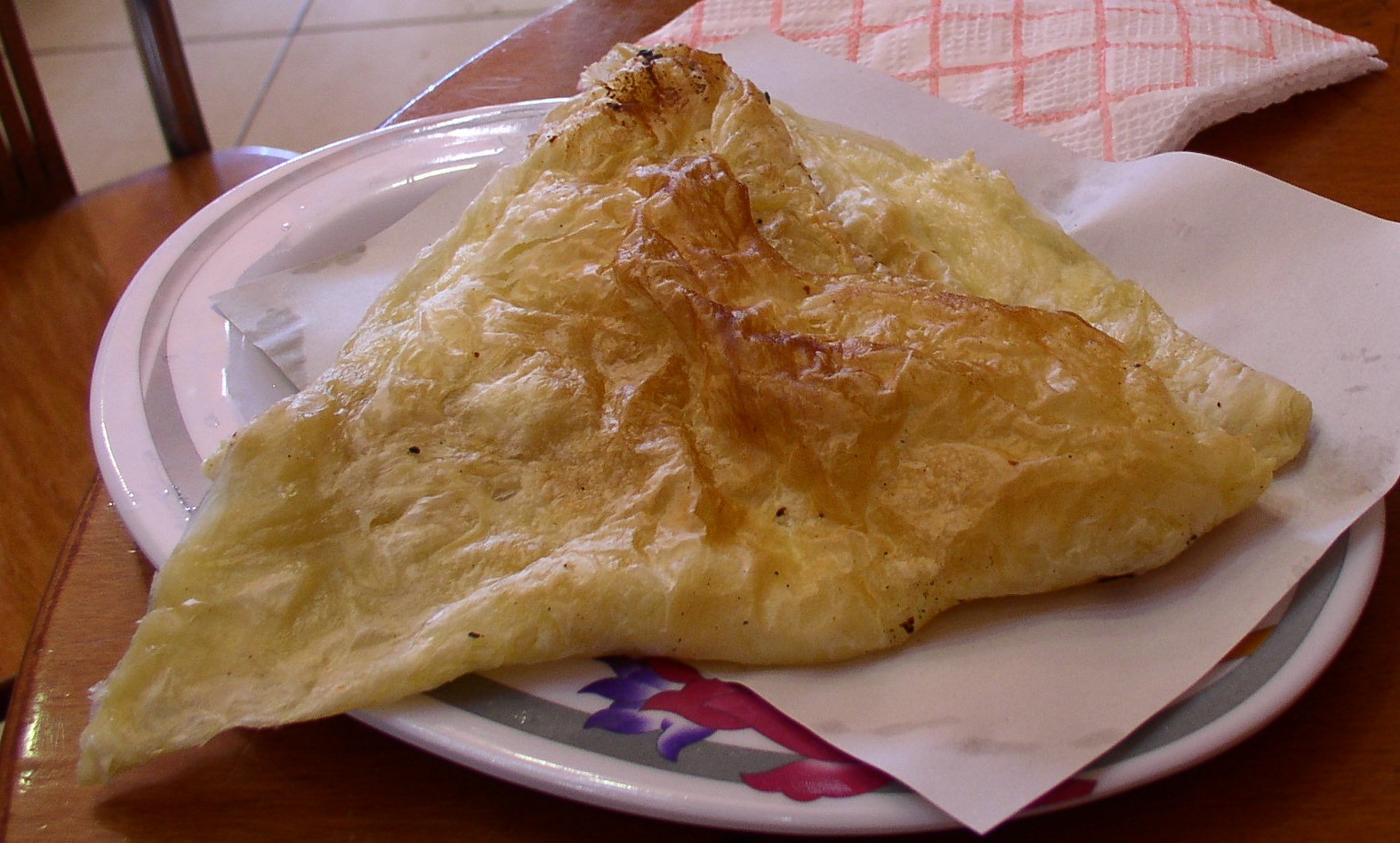
Blloku isn’t known as a street food destination the way Pazari i Ri is, but it has its moments. You’ll find sufllaqe (the Albanian take on a gyro/shawarma) stands scattered around the edges of the neighborhood, usually priced at 250–350 lek. The burek shops — flaky phyllo pastry filled with cheese, meat, or spinach — tend to open early and close when they sell out.
For sit-down food, the options range from traditional Albanian restaurants serving tavë kosi (baked lamb with yogurt) and fergese (baked peppers with cheese) to sushi bars and burger joints. A proper meal at a mid-range restaurant in Blloku runs about 1,500–2,500 lek (€13–€22) per person with a drink. That’s the expensive end for Tirana.
Sit-down: pasta, pizza, and a table worth booking
Blloku leans Italian when it comes to a proper meal, and a few places do it well enough to plan around:
- Artigiano — homemade pasta, made on-site every morning. Simple-done-right, which Tirana has quietly gotten very good at.
- L’Antica Pizzeria Da Michele — the Naples pizza institution has a Blloku outpost, wood-fired and the real thing.
- Il Giglio — Tuscan schiacciata, basically elevated Italian street sandwiches, for when you want something quick but good.
For traditional Albanian cooking — tavë kosi, fërgesë, grilled meats — you will do a little better a short walk away in Pazari i Ri, but Blloku will happily feed you between drinks.
The Villa at the Center
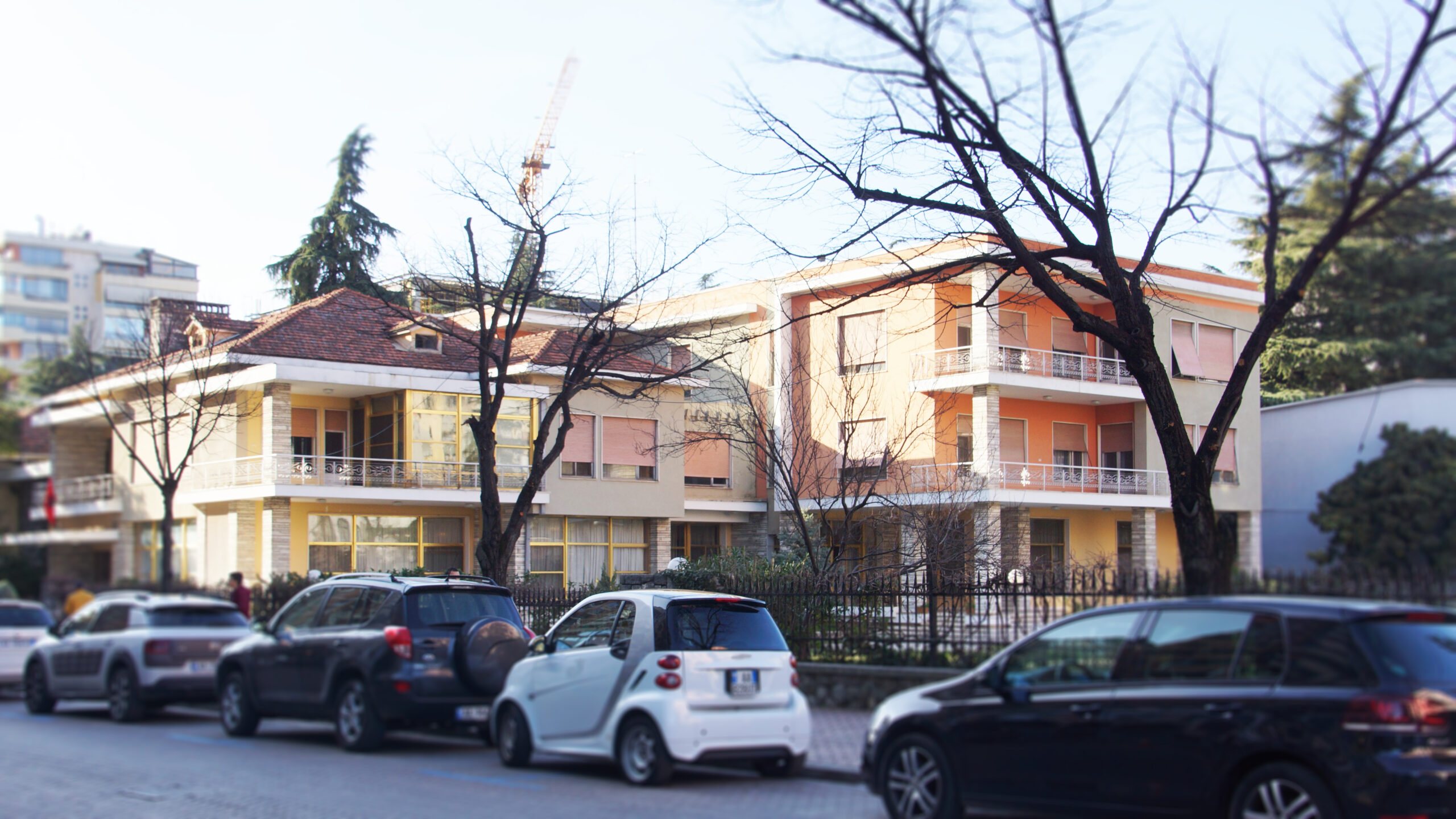
Enver Hoxha’s former villa still stands near the center of Blloku, on Rruga Dëshmorët e 4 Shkurtit. It’s a relatively modest building surrounded by a wall — you could walk past it without realizing what it is. There’s no museum, no memorial plaque, no guided tour. The building — now sometimes called Vila 31 — has had a quiet second life: it was recently turned into an artists’ residence, hosting local and international artists for three-month stays while keeping its 1970s interiors intact. It still is not a museum you can wander into, but it now opens to the public for exhibitions a few times a year, which is worth checking if you happen to be in town.
Honestly, the lack of fanfare is part of what makes it interesting. Here’s the house of the man who sealed Albania off from the entire world for 45 years, and now it sits quietly while people drink aperitifs twenty meters away. No country processes its history the same way, and Albania’s approach to Hoxha’s legacy — a mix of deliberate forgetting and occasional confrontation — is one of the more complicated I’ve seen.
Where to stay in Blloku
Blloku is where most visitors want to be based. Set your dates below to see live availability and nightly rates across the major booking sites in one view.
Affiliate map. I earn a small commission if you book; it does not change your price.
Practical Info for Visitors
| Detail | Info |
|---|---|
| Location | South of Skanderbeg Square, about a 10-minute walk |
| Best time to visit | Late afternoon through night; weekends for full atmosphere |
| Coffee price | 80–250 lek (€0.70–€2.30) |
| Cocktail price | 500–800 lek (€4.50–€7.50) |
| Dinner for one | 1,500–2,500 lek (€13–€22) with a drink |
| Safety | Very safe, even late at night. One of the safest neighborhoods in Tirana. |
| Getting there | Walk from Skanderbeg Square (10 min) or take any bus to the city center |
The Irony of It All
What strikes me most about Blloku is the completeness of its transformation. There is no other place I know where a neighborhood has so thoroughly reinvented itself — not just physically but spiritually. A place that was designed to keep people out is now the place where everyone wants to be. A place built for secrecy and privilege is now the most public, the most open, the most democratic corner of Tirana.
The communist elite who lived here would be horrified. And honestly, that’s part of what makes sitting in a Blloku café on a warm night feel so good. You’re not just having a drink. You’re sitting in the proof that things change — sometimes dramatically, sometimes for the better.
Blloku is what happens when a city takes its darkest chapter and turns it into its living room. I’ve watched it happen over two decades, and it still hasn’t gotten old.
If you only visit one neighborhood in Tirana, make it this one. Not because it’s the prettiest (it’s not) or the most historically preserved (it’s definitely not). But because nowhere else tells the story of modern Albania so honestly — the ambition, the contradictions, and the refusal to be defined by the past.
Explore Tirana’s nightlife on the map
Subscribe to monthly updates
Get honest Albania travel tips, local guides, and new posts straight to your inbox. No spam, unsubscribe anytime.
