Key Takeaways
- A single person can live comfortably in Tirana for EUR 800-1,200/month — and stretch it lower if you cook at home and skip Blloku rents.
- Rent is the biggest variable: a 1-bedroom ranges from EUR 350 (outer center) to EUR 750+ (Blloku), and prices have risen 20-30% since 2023.
- Daily life is still remarkably affordable: espresso for under EUR 1, a full restaurant meal for EUR 8-15, unlimited fiber internet for EUR 15-25/month.
- Tirana is cheaper than Lisbon, Athens, and Budapest but the gap is narrowing, especially for housing in trendy neighborhoods.
- The best value is in the mid-ring neighborhoods — Komuna e Parisit, Don Bosko, and the area around the Grand Park.
Table of Contents
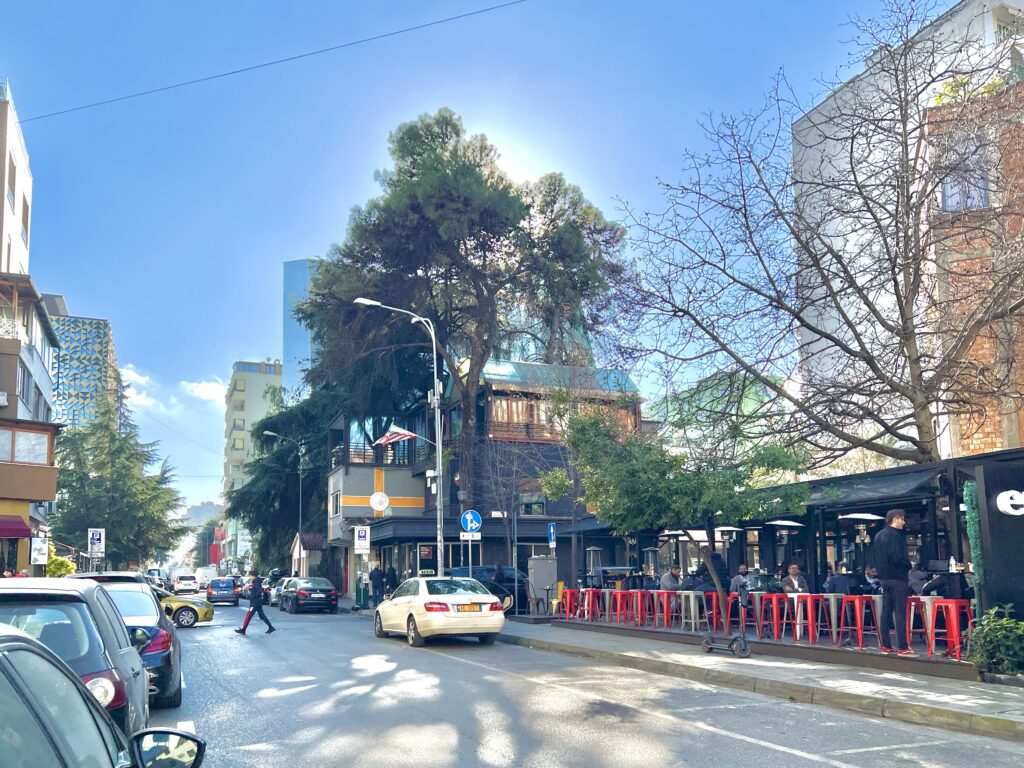
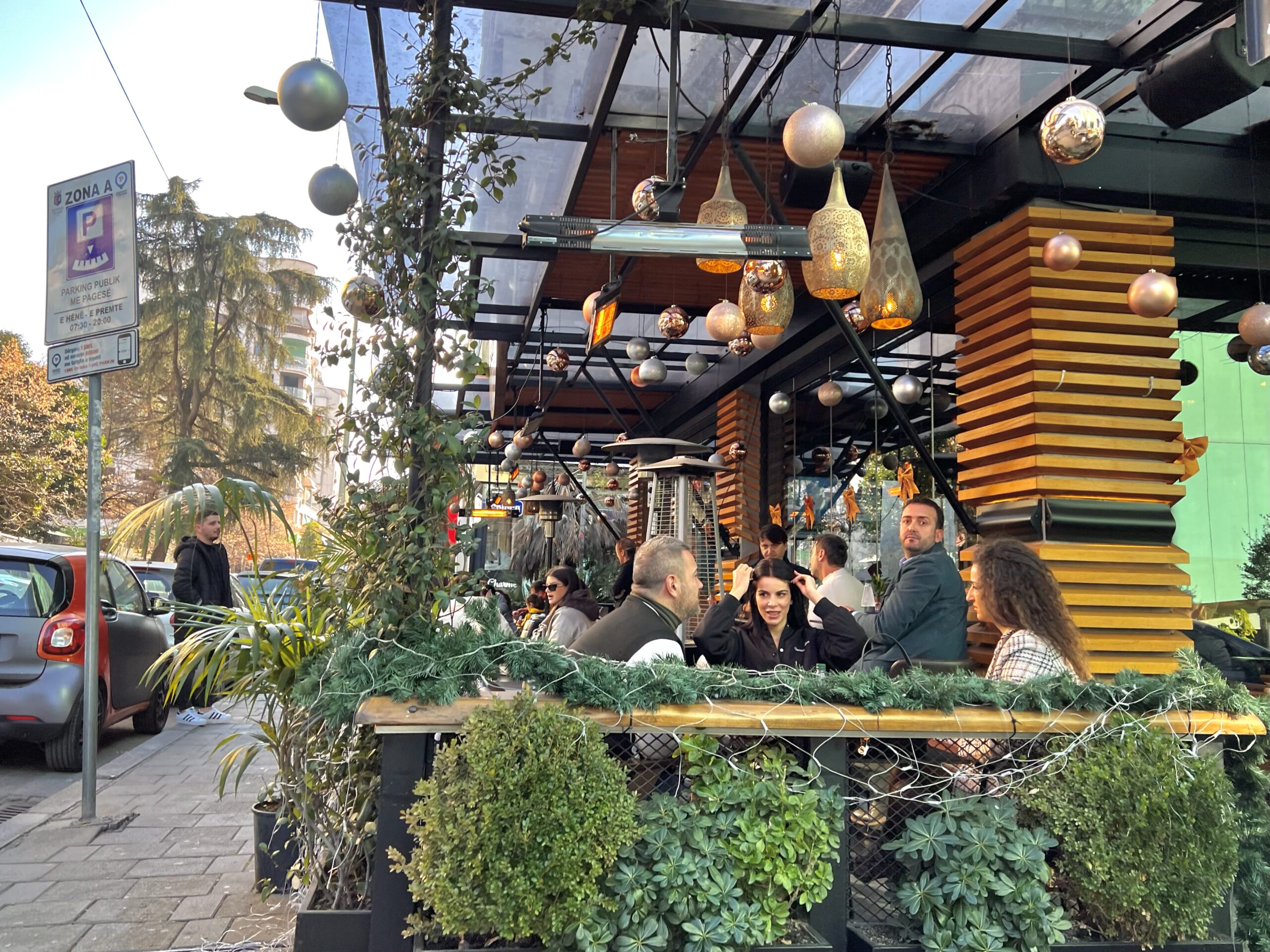
I’m writing this from a cafe in Tirana where my macchiato just cost me 100 ALL. That’s about 90 cents. The wifi is fast, the sun is out, and I’ve been sitting here for two hours without anyone giving me the side-eye. This is daily life in Tirana, and it’s one of the reasons I’ve been here for over 21 years.
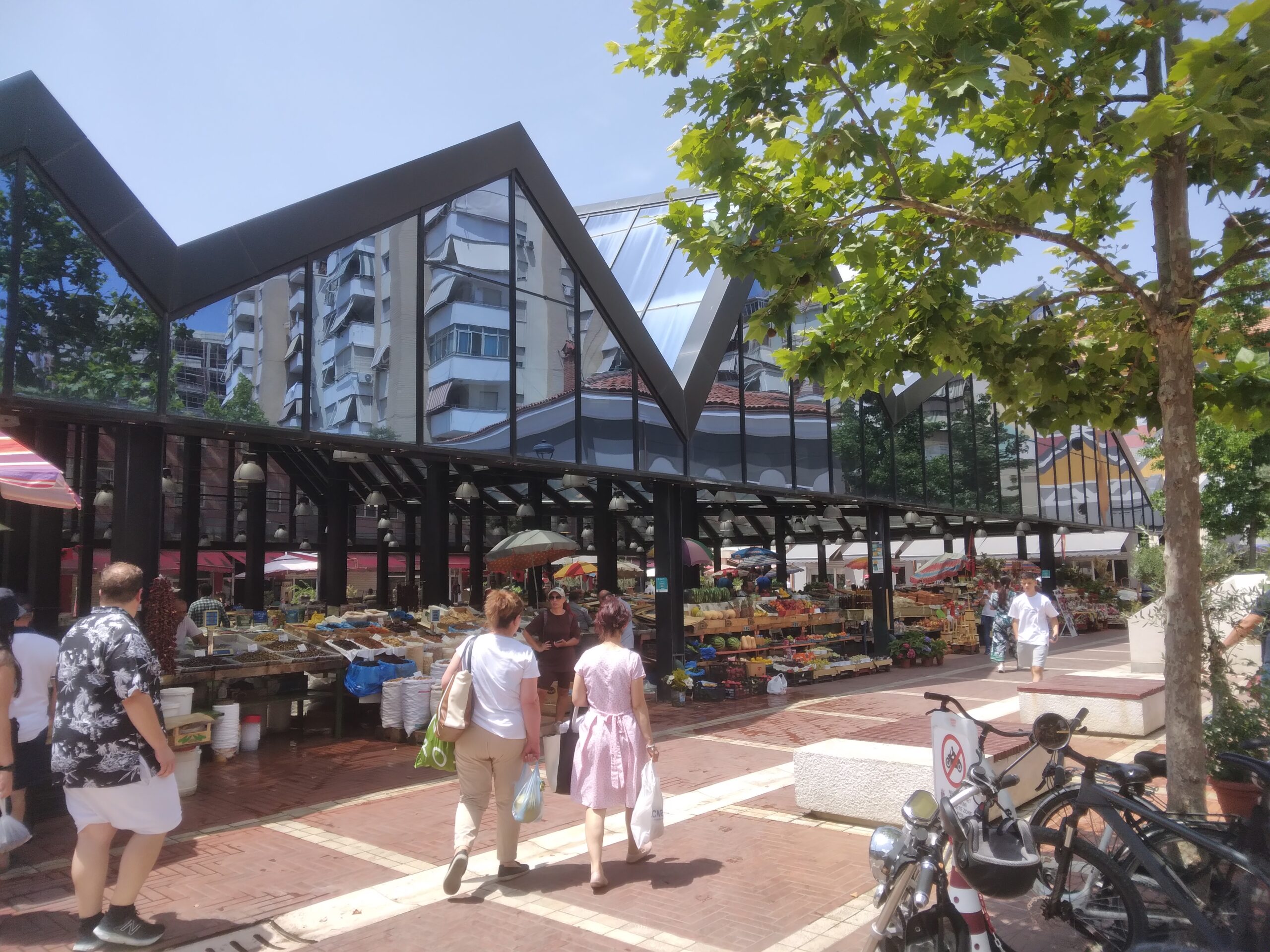
People email me all the time asking the same question: “How much does it actually cost to live in Tirana?” And I get it. The internet is full of those cost-of-living articles written by someone who spent a long weekend here, ate at two restaurants, and declared Albania “super cheap.” Some of those numbers are wildly off. Others were accurate three years ago but aren’t anymore.
So here’s my honest breakdown. Not the tourist version. Not the “everything is two dollars” fantasy. The real numbers, from someone who pays rent here, buys groceries here, argues with his internet provider here, and has watched prices change over two decades.
All prices are in Albanian Lek (ALL) with Euro equivalents. The exchange rate hovers around 108-110 ALL to 1 EUR as of early 2026.
Budgeting a move to Tirana?
One line most cost breakdowns miss is health insurance. SafetyWing covers nomads and expats for about the price of a few coffees a week.
Check SafetyWing pricing →The Big Picture: What Tirana Actually Costs
Let me give you the headline number first, then we’ll break it apart. A single person can live a comfortable (not luxurious, not miserable) life in Tirana for somewhere between EUR 900 and EUR 1,300 per month. A couple sharing an apartment can do it for EUR 1,200-1,800 total.
That includes a decent one-bedroom apartment, eating out a few times a week, having a social life, and not obsessing over every espresso. If you’re willing to live more modestly — cook at home, take the bus, live outside the trendy center — you can push that down to EUR 600-700.
And if you want the full Blloku lifestyle with a nice apartment, regular dining out, gym membership, and weekend trips — you’re looking at EUR 1,500-2,200.
Now, these numbers might surprise you in both directions. People coming from Western Europe or North America think it sounds impossibly cheap. People who read those “Albania is the cheapest country in Europe” articles are sometimes disappointed that it’s not that cheap anymore. The truth, as usual, is somewhere in the middle.
Let’s dig into the specifics.
Housing & Rent
Planning a Trip to Tirana?
Get my free Tirana in 48 Hours checklist with day-by-day itinerary, prices, and local tips.
Get the Free Checklist →Housing is where most of your money goes, and it’s the category that’s changed the most in the past few years. Tirana has seen a building boom — cranes everywhere, new towers going up in every neighborhood — but demand has kept pace with supply, especially from the growing remote worker and expat community.
Here’s what you’ll actually pay for a furnished apartment in 2026:
| Apartment Type | Blloku | Komuna e Parisit | Grand Park Area | Other Center |
|---|---|---|---|---|
| Studio | €400-600 | €280-400 | €300-420 | €250-380 |
| 1-Bedroom | €500-750 | €350-500 | €370-520 | €300-450 |
| 2-Bedroom | €700-1,100 | €450-700 | €500-750 | €400-650 |
Blloku (the former communist-era elite district, now Tirana’s trendiest neighborhood) commands the highest prices. It’s walkable, packed with cafes and restaurants, and has that buzzy energy that attracts digital nomads. But you’re paying a premium for the address.
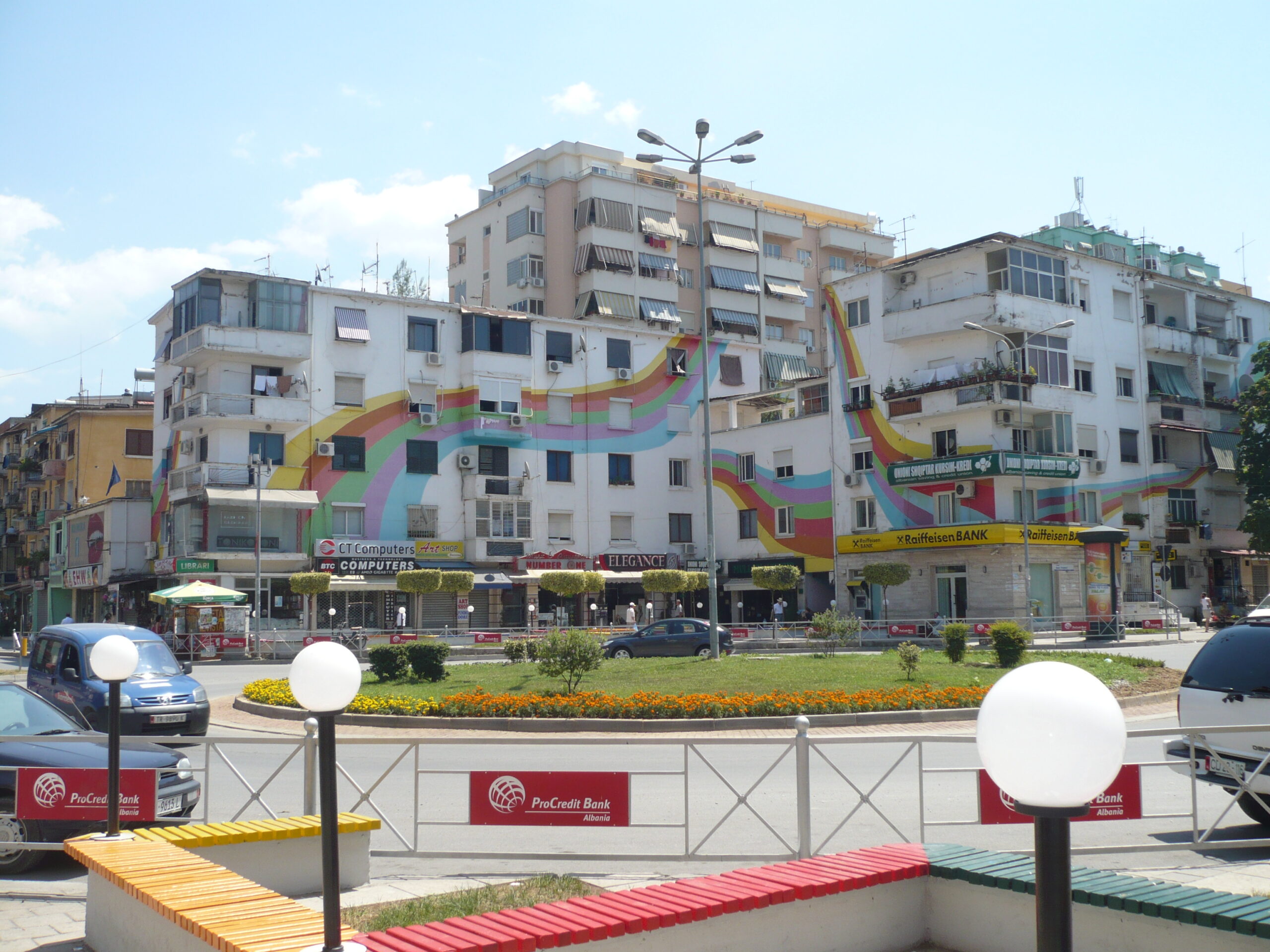
Komuna e Parisit (“Paris Commune” — yes, that’s really the name) is my go-to recommendation for newcomers. It’s a 15-minute walk from the center, has excellent restaurants, new buildings with elevators and parking, and rents that are 30-40% lower than Blloku. It’s where a lot of young professionals and small families live.
The Grand Park area (around Parku i Madh, Tirana’s main green space) offers a quieter vibe with easy access to running trails and the artificial lake. Slightly higher than Komuna e Parisit but still well below Blloku prices.
A few practical notes on renting in Tirana:
- Most landlords want payment in EUR. Even though the official currency is the Lek, rental contracts are almost always quoted in euros. Monthly bank transfers or cash are both common.
- Deposits are typically one month’s rent. Sometimes two for furnished places. Getting your deposit back can be… an adventure. Document everything when you move in.
- Furnished apartments are easy to find. Most places aimed at expats come furnished. Quality varies wildly — some look like an IKEA showroom, others like your Albanian grandmother’s living room (which has its own charm, honestly).
- Use a real estate agent or local contacts. Facebook groups for expats in Tirana are your best bet. The listing sites are often outdated or have inflated prices. A local connection will always get you a better deal.
Food & Groceries
This is where Tirana really shines, and where I think the quality-to-price ratio is genuinely world-class. The food here is fresh, local, and seasonal in a way that most Western European cities have completely lost. When tomatoes are in season, they taste like actual tomatoes. Revolutionary concept, I know.
Cooking at Home
If you cook at home regularly, expect to spend EUR 150-250 per month on groceries for one person. That’s shopping at a mix of supermarkets (Conad, Big Market, Spar) and the open-air pazare (markets) where fruits, vegetables, and cheese are significantly cheaper.
Some benchmark grocery prices:
| Item | Price (ALL) | Price (EUR) |
|---|---|---|
| Bread (white loaf) | 80-120 ALL | €0.75-1.10 |
| 1 kg chicken breast | 550-700 ALL | €5.00-6.50 |
| 1 kg tomatoes (seasonal) | 100-200 ALL | €0.90-1.80 |
| 1 liter milk | 130-180 ALL | €1.20-1.65 |
| Dozen eggs | 250-350 ALL | €2.30-3.20 |
| Local cheese (1 kg, djathe i bardhe) | 600-900 ALL | €5.50-8.20 |
| 1.5L water bottle | 50-80 ALL | €0.45-0.75 |
| Local beer (500ml, shop) | 120-180 ALL | €1.10-1.65 |
Eating Out
Eating out in Tirana is where you really feel the difference from Western Europe. You can have a proper sit-down lunch with a main course, salad, and a drink for 800-1,500 ALL (EUR 7-14). Try doing that in Lisbon or Barcelona.
Here’s how I think about restaurant tiers:
Budget eats (400-800 ALL / EUR 3.50-7)
Street food, byrek (savory pastry) shops, fast casual places, and those legendary sufëaqe joints that serve grilled meat wraps at midnight. A byrek and yogurt breakfast costs about 200 ALL (under EUR 2). Honestly, some of my best meals in Tirana are in this category.
Mid-range restaurants (800-1,500 ALL / EUR 8-15)
This is where most people eat regularly — traditional Albanian restaurants, Italian places (there are dozens), grills, and casual bistros. You’ll get a full meal, maybe with a beer, for under EUR 15. This is the sweet spot.
Upscale dining (2,000-5,000 ALL / EUR 18-45)
Tirana’s fine dining scene has exploded. Places like Mullixhiu, Oda, and Destil serve genuinely excellent food that would cost 2-3x in any Western European capital. A full tasting menu with wine might run you EUR 40-50 — which is still a bargain for the quality.
“The thing about eating in Tirana is that you don’t need to spend a lot to eat well. The street byrek vendor at 6 AM and the farm-to-table restaurant in Blloku both take food seriously. The difference is ambiance, not quality of ingredients.”
One thing to note: tipping is not mandatory in Albania, but rounding up or leaving 5-10% is appreciated. Service charges are almost never included.
Transport
Tirana’s public transport system is… a work in progress. Let me be diplomatically honest here. There’s a bus network, it technically covers the city, and a single ride costs 40 ALL (about EUR 0.37). But the routes aren’t always intuitive, schedules are more of a suggestion, and there’s no metro or tram (yet — they’ve been talking about it for years).
Here’s how most people actually get around:
| Transport Mode | Cost | Notes |
|---|---|---|
| City bus | 40 ALL (~€0.37) | Cash only, covers most of the city |
| Taxi (across center) | 300-500 ALL (~€3-5) | Use apps: Speed Taxi, Clust, VrapOn |
| E-scooters | ~50 ALL unlock + 30 ALL/min | Seasonal; watch out for potholes |
| Taxi to airport (TIA) | 2,000-2,500 ALL (~€18-23) | 25-45 min depending on traffic |
| Car ownership (monthly) | €150-300/month | Insurance, fuel, parking, maintenance |
My honest advice: don’t get a car unless you absolutely need one. Tirana traffic is chaotic, parking is a nightmare in the center, and the city is walkable enough that most errands are doable on foot. For everything else, taxi apps are reliable and cheap. I spend maybe EUR 30-40/month on taxis, which is far less than car ownership would cost.
E-scooters have become popular, especially with younger expats. They’re fun, but Tirana’s sidewalks and roads can be… unpredictable. Potholes, random parked cars, creative driving by others — ride defensively.
Utilities
Utilities in Tirana are generally cheap, with one notable exception: electricity can surprise you in winter. Albania generates almost all its power from hydroelectric dams, which is great for the environment but means supply can get tight during dry winters. Most apartments use electric heating (split AC units in heat mode), and that drives up winter bills significantly.
| Utility | Monthly Cost | Notes |
|---|---|---|
| Electricity | €25-50 (summer) €60-120 (winter) |
Tiered pricing; heating drives winter costs |
| Water | €5-10 | Very cheap; some buildings include it in condo fees |
| Fiber internet | €15-25 | 100Mbps-1Gbps; Digicom, Abissnet, Vodafone |
| Mobile phone plan | €8-15 | Unlimited calls + 15-50GB data (Vodafone, One) |
| Building maintenance (kondominium) | €10-30 | Elevator, cleaning, common areas |
Did you know?
Albania’s fiber internet is among the cheapest in Europe. You can get a 500 Mbps connection for around EUR 13/month from providers like Digicom or Tring. For remote workers, this is genuinely one of Tirana’s biggest selling points — fast, stable internet at a fraction of what you’d pay in Berlin or Amsterdam.
Total utilities for a 1-bedroom apartment: EUR 55-80/month in summer, EUR 90-150/month in winter. Budget around EUR 80-100/month as an annual average and you’ll be close.
One important note: always check if utilities are included in your rent. Some furnished apartments aimed at expats bundle water and internet into the monthly price. Electricity is almost never included (for obvious reasons — landlords don’t want to subsidize your heating habits).
Healthcare
Healthcare in Albania is a tale of two systems. The public system exists and it’s technically free for residents, but I’ll be honest — most expats (and most Albanians who can afford it) use private healthcare. The public hospitals have improved but they’re still underfunded, crowded, and the experience can be frustrating.
The private system, on the other hand, is surprisingly good and remarkably affordable:
| Service | Cost |
|---|---|
| GP visit (private clinic) | €20-40 |
| Specialist consultation | €30-60 |
| Dental cleaning | €30-50 |
| Blood work panel | €15-40 |
| Private health insurance (annual) | €300-600/year |
| Common medication (pharmacy) | €2-15 |
The major private hospitals — American Hospital, Hygeia Hospital, Salus Hospital — have modern equipment and many doctors who trained in Italy, Germany, or Greece. English-speaking doctors are common in private clinics, especially in Tirana.
Pharmacies (farmaci) are everywhere — and I mean everywhere. There seems to be one on every block. Many medications that require prescriptions in other countries are available over the counter here. Prices are generally very low compared to Western Europe or the US.
For expats staying long-term, a local private health insurance plan (EUR 300-600/year from companies like Sigal or Insig) is worth considering. It covers most outpatient and emergency care at private facilities. Many digital nomads just pay out of pocket since visit costs are so low.
Entertainment & Social Life
Tirana’s social scene punches way above its weight for a city of this size. This is a city that takes its cafes, bars, and going out seriously. The xhiro (evening promenade — pronounced “jee-ro”) is practically a national sport. Every evening, families and friends stroll through the center, stopping at cafes, chatting, seeing and being seen. It costs nothing, and it’s one of my favorite things about living here.
But when you do spend money on fun:
| Activity | Cost (ALL) | Cost (EUR) |
|---|---|---|
| Espresso / macchiato | 80-120 ALL | €0.75-1.10 |
| Cappuccino | 150-250 ALL | €1.40-2.30 |
| Beer at a bar | 250-400 ALL | €2.30-3.70 |
| Cocktail (Blloku bar) | 500-800 ALL | €4.60-7.30 |
| Cinema ticket | 500-700 ALL | €4.60-6.50 |
| Gym membership (monthly) | 2,700-4,400 ALL | €25-40 |
| Yoga/pilates class (drop-in) | 800-1,200 ALL | €7-11 |
| Coworking space (monthly) | 8,000-15,000 ALL | €75-140 |
The cafe culture alone is worth mentioning again. You can sit in a beautiful cafe for hours, nursing a single espresso, using the wifi, working on your laptop, and nobody bats an eye. This is deeply embedded in Albanian culture — the cafe is an extension of your living room. It’s not like some European cities where you feel pressured to order more or leave after 30 minutes.
Gyms have gotten much better in recent years. You’ll find modern equipment, group classes, and even CrossFit boxes. EUR 25-40/month gets you a solid gym with good machines. The premium ones (with pools, saunas) run EUR 50-80.
Three Budget Tiers: What Does Each Level Look Like?
Everyone’s budget is different, so let me lay out three realistic monthly scenarios. These are for a single person; couples sharing an apartment can save significantly on housing and utilities.
| Category | Budget €600-900 |
Mid-Range €1,000-1,500 |
Comfortable €1,500-2,200 |
|---|---|---|---|
| Housing | €250-400 Studio, outer center |
€400-600 1-bed, Komuna/Park area |
€600-900 Nice 1-2 bed, Blloku/center |
| Food | €150-200 Mostly cooking, market shopping |
€250-350 Mix of cooking + eating out 2-3x/week |
€350-500 Regular dining out, some fine dining |
| Transport | €15-30 Bus + walking |
€30-60 Occasional taxis |
€50-100 Regular taxis, occasional car rental |
| Utilities | €60-80 Basic electric, water, internet |
€80-110 Comfortable usage |
€100-140 Full AC/heat, fast internet, mobile |
| Entertainment | €50-80 Cafes, occasional drinks |
€100-180 Gym, going out, activities |
€200-350 Full social life, gym, coworking |
| Healthcare | €25-40 Pay-as-you-go |
€30-50 Insurance amortized |
€40-60 Good insurance + dental |
| TOTAL | €600-900 | €1,000-1,500 | €1,500-2,200 |
The budget tier is doable but requires discipline. You’re cooking most meals, living outside the trendy center, and your social spending is modest. This is where many digital nomads start, especially those from countries with lower-cost currencies. It works, but Tirana is a social city — you’ll want some money for going out.
The mid-range tier is where I think most people find their sweet spot. You have a nice apartment in a good neighborhood, you eat out when you want to, you have a gym membership, and you’re not counting every lek. This is genuinely comfortable living.
The comfortable tier is living well by any standard. A great apartment, regular dining at Tirana’s best restaurants, a full social calendar, maybe a coworking membership. At EUR 2,000/month, you’re living better than many people spending EUR 4,000 in Lisbon or Barcelona.
How Tirana Compares to Other European Cities
Context matters, so let me put Tirana’s costs next to cities that people often compare it to. These are approximate monthly costs for a similar lifestyle (1-bedroom apartment, moderate dining out, normal social life):
| City | 1-Bed Rent | Meal Out | Espresso | Monthly Total |
|---|---|---|---|---|
| Tirana | €350-750 | €8-15 | €0.80-1.10 | €1,000-1,500 |
| Belgrade | €400-800 | €8-16 | €1.20-1.80 | €1,100-1,600 |
| Budapest | €550-1,000 | €10-18 | €1.50-2.50 | €1,300-2,000 |
| Athens | €500-900 | €12-20 | €1.50-2.50 | €1,400-2,100 |
| Lisbon | €800-1,400 | €12-22 | €1.00-1.50 | €1,800-2,800 |
The bottom line: Tirana is still 25-40% cheaper than Athens or Budapest and 40-60% cheaper than Lisbon for a comparable lifestyle. Belgrade is the closest competitor — similar prices, similar vibe in many ways, though the food and coffee culture are different.
But here’s what the numbers don’t show: quality of life per euro spent. In Tirana, your EUR 1,200/month gets you 300 days of sunshine, a Mediterranean-influenced food culture, genuinely warm people, fast internet, and a city that feels alive without being overwhelming. Try getting that package for the same money anywhere in the EU.
What’s Getting More Expensive (Honest Trends)
I’d be doing you a disservice if I pretended everything in Tirana is still 2019 prices. It’s not. Here’s what’s changed and what’s stayed stable:
Rising fast:
- Rent — up 20-30% since 2023, especially in Blloku and new-build areas. The combination of a construction boom, growing expat community, and Airbnb conversions has pushed center-city rents up noticeably. This is the single biggest cost increase.
- Restaurant prices in trendy areas — Blloku restaurants have started creeping toward European pricing. Not there yet, but the direction is clear.
- Imported goods — anything that comes from the EU (branded products, electronics, specialty foods) has gotten more expensive, partly due to global inflation.
Rising gradually:
- Electricity — government has maintained subsidized rates for household use, but the tiered pricing means heavy users pay more. There’s ongoing talk about rate adjustments.
- Private healthcare — as quality improves and more expats use private clinics, prices are slowly climbing. Still very affordable by European standards.
Stayed mostly stable:
- Coffee and basic cafe prices — the espresso at your neighborhood cafe is still 80-100 ALL. This is almost sacred — Albanians would riot if coffee got expensive (I’m only half joking).
- Public transport — the 40 ALL bus fare hasn’t changed in years.
- Fresh produce at markets — seasonal fruits and vegetables remain remarkably cheap, especially if you shop at open-air markets rather than supermarkets.
- Internet and mobile plans — competition between providers keeps prices low. If anything, you’re getting more speed for the same money.
- Basic services — haircuts, dry cleaning, shoe repair — these everyday services remain very affordable.
The trend is clear: Tirana is getting more expensive, but from a very low base. Even with the increases, it remains one of the most affordable capitals in Europe. My concern isn’t that it’s expensive now — it’s that the pace of increase is faster than local salary growth. That’s a social issue that deserves attention, but for expats and remote workers earning in euros, the value proposition is still excellent.
Frequently Asked Questions
Can you live in Tirana on EUR 500/month?
Technically yes, but I wouldn’t recommend it unless you’re very disciplined. You’d need a shared apartment or a very basic studio in an outer neighborhood, cook all your meals, and have almost no social budget. At EUR 600-700, things get much more manageable. Below EUR 500, you’re surviving, not living.
Is Tirana cheaper than Belgrade or Sofia?
It’s roughly comparable to Belgrade and slightly cheaper than Sofia for most categories. The big difference is housing — Tirana’s center-city rents have caught up with Belgrade’s. Food and daily expenses are similar across all three. Tirana edges ahead on internet costs and coffee prices.
Do I need to speak Albanian to live in Tirana?
No, but learning basics helps enormously. English is widely spoken in the center, especially by younger people and in the service industry. Italian is also common (thanks to decades of Italian TV). But outside the center, at government offices, and in everyday situations like dealing with your landlord or the plumber, some Albanian goes a long way. Start with faleminderit (thank you), mirëdita (good day), and sa kushton? (how much does it cost?).
What currency should I bring? Is it easy to use cards?
Bring euros — they’re accepted everywhere for rent and many larger purchases. For daily spending, you’ll use Albanian Lek. Card payments have improved dramatically; most restaurants, cafes, and shops in the center accept cards. But smaller shops, taxis, and markets are still cash-heavy. ATMs are everywhere and dispense Lek. Revolut and Wise cards work perfectly here.
How much should a couple budget for Tirana?
A couple sharing a one-bedroom apartment can live comfortably for EUR 1,200-1,800/month total. You save significantly on housing (the biggest cost), and food scales well for two. Budget around EUR 1,500/month for a comfortable mid-range lifestyle with regular dining out, a social life, and no real financial stress.
Final Thoughts
I’ve watched Tirana transform from a city where finding a decent coffee was an adventure to one where you’re spoiled for choice at every corner. The prices have changed too — this isn’t the “everything costs nothing” place that some travel blogs still describe. But it’s still a city where your money goes remarkably far, where the quality of daily life consistently exceeds what the numbers on a spreadsheet would suggest.
What I tell people who ask me about moving here is this: don’t come to Tirana because it’s cheap. Come because it’s a fascinating, warm, rapidly evolving city that happens to also be affordable. The low cost of living is a bonus, not the main attraction. If you come only for cheap rent, you’ll leave when prices rise. If you come for the life — the coffee culture, the impossible sunsets over Dajti Mountain, the way strangers become friends over a shared table, the energy of a city that’s figuring itself out in real time — you’ll stay regardless of what your landlord charges.
I came for a year. That was 21 years ago. The costs have changed. The reasons I stay haven’t.
Last updated: March 2026. Prices reflect current market conditions as of early 2026. Exchange rate used: 1 EUR ≈ 108-110 ALL.
What do you think?
What surprised you most about prices in Albania? If you have lived here or visited recently, how does it compare to what you expected?
Subscribe to monthly updates
Get honest Albania travel tips, local guides, and new posts straight to your inbox. No spam, unsubscribe anytime.
