
Key Takeaways
- Most nationalities can stay in Albania visa-free for up to one year — one of the most generous policies in the world for expats and digital nomads.
- A comfortable life in Tirana costs EUR 1,200-1,800/month, roughly a third of what you’d pay in Western Europe for the same quality of life.
- Bureaucracy is real, patience is mandatory, and having a local accountant is not optional — it’s survival.
- The expat community is growing fast but still small enough that you’ll know half the foreigners in Tirana within a few months.
- Albania is not a finished product. That’s exactly what makes it exciting — and occasionally maddening.
Table of Contents
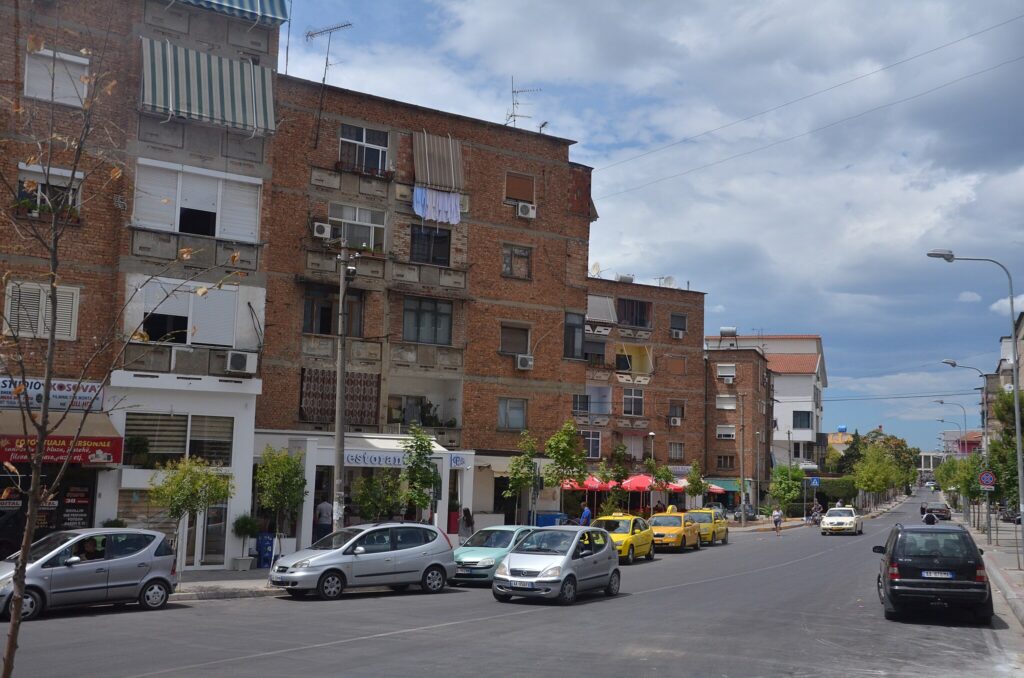
I moved to Tirana in 2004. Back then, if you told someone you were moving to Albania, they’d look at you like you’d lost your mind. The country had just emerged from decades of isolation and a near civil war. There were no direct flights from most European capitals. Google Maps didn’t even have street data for Tirana. Moving here wasn’t a lifestyle choice — it was an adventure into the genuinely unknown.
Twenty-one years later, I’m still here. And I’m watching something I never expected: people are actually choosing to move to Albania. Not just passing through on a Balkan backpacking trip. Not just visiting for a week and posting Instagram stories. Actually moving here. Signing leases. Opening bank accounts. Learning to navigate the bureaucracy (or at least trying to).
Some come for the cost of living. Some come for the weather. Some come because they’re digital nomads who discovered that Tirana has fast internet, cheap coffee, and a vibrant social scene. Some come because they’re Albanian diaspora finally coming home after their parents left decades ago. And a few come because, like me, they just fell in love with the place — messy infrastructure, loud neighbors, and all.
This guide is everything I wish someone had handed me in 2004. It’s not the sanitized version you’ll find on relocation websites. It’s the real version, from someone who has actually done all of this — the visa runs, the apartment hunting, the confusing tax registration, the moment you realize you’ve been saying “thank you” wrong in Albanian for three months.
Let’s get into it.
Moving to Albania? Sort your health cover first.
SafetyWing is the nomad-and-expat insurance most people I know here use: monthly, cancel anytime, no local address needed.
See SafetyWing plans →Why Albania? The Honest Case
Getting around Albania is far easier with your own car — handy while you scout neighbourhoods and settle in.
Compare car rentals in Albania →Let me be upfront: Albania is not for everyone. If you need everything to work perfectly, if you can’t handle ambiguity, if a power outage during a Zoom call would ruin your week — this might not be your place. But if you’re open to a country that’s rough around the edges and genuinely rewarding once you learn its rhythms, keep reading.
Here’s why people are moving here in 2026:
The cost of living is genuinely low. Not “cheap compared to London” low. Actually low. You can rent a nice one-bedroom apartment in central Tirana for EUR 350-500, eat out every day for under EUR 15, and live a full, comfortable life on what would barely cover rent in most Western European capitals. I’ve written a detailed cost of living breakdown if you want the numbers.
Albania is an EU candidate country. Accession negotiations are actively underway. This matters because it means the country is under constant pressure to modernize its legal framework, improve infrastructure, and align with European standards. You can feel it — new roads, digital government services, cleaner cities. It’s not there yet, but the trajectory is unmistakable.
The economy is growing. GDP growth has been consistently above the EU average for years. Construction is booming (sometimes too much, honestly). New businesses are opening. Tech companies are setting up offices. The energy is palpable, especially in Tirana.
Mediterranean lifestyle at Balkan prices. Tirana is 35 minutes from the beach. The Albanian Riviera has some of the most beautiful coastline in the Mediterranean, and it’s still relatively undeveloped. The weather is excellent — 300+ days of sunshine, mild winters, and long, warm summers. You can have your morning espresso on a terrace in February.
Albania is safe. I know this surprises people. The outdated stereotypes from the 1990s have nothing to do with modern Albania. Tirana is safer than most Western European capitals by virtually every metric. Violent crime against foreigners is extremely rare. I walk home at 2 AM without a second thought, and I’ve been doing that for 21 years.
It’s a young country. The median age is around 36. The energy in the streets reflects that. Cafes are packed until midnight on weeknights. New restaurants and bars open constantly. There’s a creative scene emerging in art, music, and tech that feels like early-stage Berlin or Lisbon — before the prices caught up.
Visa and Residency
Planning a Trip to Tirana?
Get my free Tirana in 48 Hours checklist with day-by-day itinerary, prices, and local tips.
Get the Free Checklist →Albania has one of the most generous visa policies in the world, and most people don’t even know about it.
Citizens of the EU, US, UK, Canada, Australia, and most other Western countries can enter Albania without a visa and stay for up to one year. That’s not a typo. While most countries give you 90 days, Albania gives you 365. This makes it one of the easiest countries in the world to just… move to. At least temporarily.
Here’s how the system works:
EU/Schengen Citizens: 1 year visa-free. You just show up with your passport or national ID card. No questions asked at the border. After one year, you need to leave and re-enter, or apply for a residency permit.
US, UK, Canadian, Australian Citizens: Same deal — 1 year visa-free since 2022. Before that it was 90 days; the government extended it as part of its push to attract foreign residents and digital nomads.
Other Nationalities: Check the Albanian Ministry of Foreign Affairs website. Many countries in Asia, the Middle East, and Africa require a Type D visa, which you apply for at the nearest Albanian embassy. Processing takes 2-4 weeks.
If you want to stay longer than a year — or if you want to work legally, start a business, or access public services — you’ll need a residency permit (leje qendrimi). The process involves:
- Gather your documents. Passport, proof of address (lease agreement), proof of income or employment, health insurance, and a clean criminal record from your home country (apostilled and translated into Albanian).
- Apply at the local police directorate (Drejtoria Vendore e Policisë). This is not a pleasant experience. Expect queues, confusion, and being sent to get photocopies at the shop next door at least twice.
- Wait. Processing takes 30-60 days in theory, often longer in practice.
- Receive your permit. Residency permits are typically issued for 1 year (renewable) or 2 years for employed/self-employed applicants.
Did you know?
Albania doesn’t have a formal “digital nomad visa” like Portugal or Croatia, but the 1-year visa-free stay effectively serves the same purpose — without any of the application paperwork, minimum income requirements, or processing fees. You just arrive and start working.
A practical note on the diaspora: If you’re of Albanian descent, the process can be smoother. You may qualify for Albanian citizenship by descent, which skips the residency permit entirely. Talk to a local lawyer — this varies case by case.
Finding an Apartment
This is where the adventure really begins. Finding an apartment in Tirana is nothing like using Rightmove or Zillow. The rental market here is largely informal, and the best deals are almost never listed on websites.
Here’s how people actually find apartments:
Facebook Groups. This is the primary method. Join “Apartments for Rent in Tirana” (there are several, some in English, some in Albanian). New listings get posted daily. The quality varies wildly — from gorgeous modern apartments with balconies to dark basements with creative photography. Always visit in person before committing.
Real Estate Agents. Albanian real estate agents (agjenci imobiliare) typically charge one month’s rent as their fee, split between landlord and tenant (half a month each). They can be helpful for finding places that aren’t listed online, but be clear about your budget upfront. Some agents will waste your time showing you places well above your range, hoping you’ll stretch.
Walking the Neighborhood. This sounds old-fashioned, but it works. Many landlords simply put “Jepet me Qira” (For Rent) signs on balconies or building entrances. If you see one in a neighborhood you like, call the number. You’ll often get a better price because there’s no agent involved.
Typical rents in Tirana (2026):
| Area | 1-Bedroom | 2-Bedroom | Notes |
|---|---|---|---|
| Blloku (city center) | EUR 400–600 | EUR 550–800 | Most walkable, nightlife, cafes |
| Pazari i Ri area | EUR 350–500 | EUR 450–650 | Trendy, restaurants, central |
| Komuna e Parisit | EUR 300–450 | EUR 400–600 | Residential, family-friendly |
| Sauk / Liqeni | EUR 350–500 | EUR 500–700 | Near the lake, green, quiet |
| Outer areas (Don Bosko, Astir) | EUR 200–350 | EUR 300–450 | Budget-friendly, less walkable |
What to watch out for:
- Lease agreements. Always get one in writing, even if the landlord says it’s unnecessary. Albanian landlords often prefer informal arrangements, but a written lease protects you.
- Deposit. Standard is one month’s rent as deposit, paid upfront alongside the first month.
- Furnished vs. unfurnished. Most rentals in Tirana are furnished, which is convenient. But “furnished” is a loose term — it might mean a fully equipped kitchen, or it might mean a bed and a chair.
- Heating. Central heating barely exists in Tirana. Most apartments use split AC units for both heating and cooling. Check that they work before signing. Winters are mild but damp, and a cold apartment in January is miserable.
- Building quality. Construction standards vary enormously. Newer buildings (post-2015) are generally fine. Older buildings can have plumbing issues, thin walls, and unreliable elevators. Visit multiple options before deciding.
Setting Up Utilities
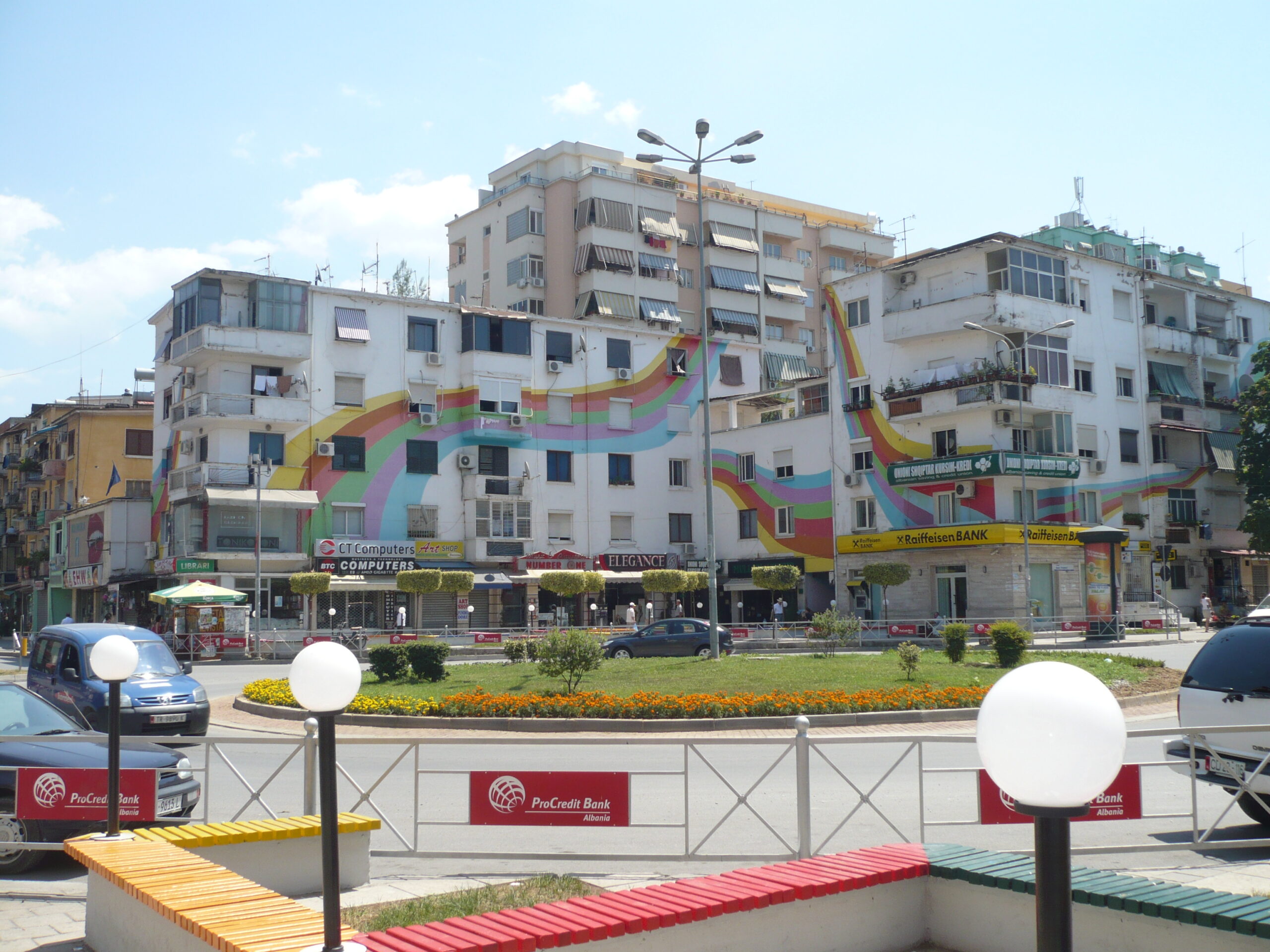
Once you have an apartment, you need electricity, water, internet, and possibly gas. Here’s the practical reality of each.
Electricity (OSHEE). Albania’s electricity provider is OSHEE (Operatori i Shpërndarjes së Energjisë Elektrike). Most apartments already have an active connection, and you’ll just take over the existing account. If you need to register a new account, visit an OSHEE customer center with your lease agreement, passport, and landlord’s property documents. Bills come monthly, and for a typical 1-bedroom apartment, expect EUR 30–70/month depending on the season (AC in summer and electric heating in winter push it up significantly). Payment is easiest through the e-Albania portal or the OSHEE app.
Water (UKT Tirana). Water is managed by UKT (Ujësjellës Kanalizime Tiranë). Water bills are very cheap — usually EUR 5–15/month. The catch? Tirana occasionally has water pressure issues or scheduled interruptions, especially in summer. Many buildings have rooftop water tanks as backup. Ask your landlord about this before moving in. Registration follows the same process: visit the UKT office with your lease and ID.
Internet. This is the good news. Albania’s internet is fast and affordable. Fiber optic is available in most of Tirana, and speeds of 100-500 Mbps are standard. Major providers include Vodafone Albania, One Albania (formerly Telekom), Digicom, Abissnet, and several smaller ISPs. Expect to pay EUR 15–30/month for a solid fiber connection. Installation typically takes 2-5 days after you order. I recommend Vodafone or Digicom for reliability, but shop around — they all offer competitive packages.
Gas. Piped natural gas is essentially nonexistent in Albanian homes. Cooking is electric or uses small gas canisters (bombol gazi) that you buy from neighborhood shops for about EUR 10–12 each. They last a few weeks for regular cooking. It sounds primitive, but honestly, you get used to it fast.
Banking and Money
Opening a bank account in Albania as a foreigner is straightforward but requires patience. You’ll need your passport, a proof of address (lease agreement or utility bill), and sometimes a source-of-income declaration. Some banks ask for a local tax ID (NIPT), others don’t — it depends on the bank and the branch manager’s mood on that particular day (I’m only half joking).
Which banks? The main banks in Albania are:
- Raiffeisen Bank — the largest, best online banking platform, most ATMs. My personal recommendation for expats.
- BKT (Banka Kombëtare Tregtare) — second largest, good branch network, decent digital services.
- Intesa Sanpaolo Bank Albania — Italian-owned, solid reputation, good for EUR-denominated accounts.
- OTP Bank — Hungarian-owned, competitive fees.
- Credins Bank — Albanian-owned, growing fast, good customer service.
ATMs and card acceptance. ATMs are everywhere in Tirana. Card payments are increasingly common in restaurants, supermarkets, and larger shops, but Albania is still a cash-heavy society. Smaller shops, taxis, markets, and most service providers expect cash. Always carry some Albanian Lek (ALL) on you. Many places also accept EUR informally, but you’ll get a worse exchange rate.
Currency exchange. The Albanian Lek (ALL) is the national currency. As of 2026, EUR 1 equals roughly 100–103 ALL (convenient math, for once). Exchange offices (kambist) are everywhere and typically offer better rates than banks. Avoid the ones at the airport — rates are always worse there.
Pro tip: Keep a Wise (formerly TransferWise) or Revolut account for international transfers. Albanian bank transfer fees for international transactions can be steep. Most expats I know use Wise for receiving payments from abroad and then transfer to their Albanian account as needed.
Healthcare
Albanian healthcare is a mixed bag, and understanding the system before you need it is important.
Public healthcare is technically available to residents, but I’ll be honest: the public hospital system is underfunded, overcrowded, and most expats avoid it except for emergencies. QSUT (Queen Geraldine University Hospital Center) is the main public hospital in Tirana. The doctors are often well-trained (many studied abroad), but the facilities and wait times leave a lot to be desired.
Private healthcare is where most expats go. Tirana has several excellent private hospitals and clinics:
- American Hospital (Spitali Amerikan) — the most well-known private hospital, modern facilities, English-speaking staff. Consultations start at around EUR 30–50.
- Hygeia Hospital — Greek-owned, good specialists, clean facilities.
- Salus Hospital — newer, growing reputation, good for diagnostics.
- Continental Hospital — good general practice and specialists.
Costs. A general doctor’s visit at a private clinic costs EUR 20–50. Specialist consultations run EUR 30–80. Blood tests, imaging, and diagnostics are surprisingly affordable — an MRI that costs EUR 500+ in Western Europe might cost EUR 80–120 here. Dental work is excellent and cheap: a cleaning runs EUR 25–40, a filling EUR 20–40, and even complex procedures like implants cost a fraction of Western prices (EUR 400–600 per implant).
Insurance. There’s no mandatory health insurance requirement for foreign residents (unlike in many EU countries). But you should absolutely get coverage. Options include:
- Local Albanian insurance (Sigal, Intersig, Insig) — basic plans from EUR 100–300/year. These cover most local hospitals and clinics.
- International health insurance (SafetyWing, Cigna Global, Allianz Care) — better for expats who might need treatment abroad or want comprehensive coverage. EUR 50–150/month depending on age and coverage level.
Pharmacies (farmaci) are everywhere in Tirana. Many medications that require prescriptions in Western countries are available over the counter in Albania. Pharmacists are generally knowledgeable and can recommend basic treatments. Common medications cost significantly less than in Western Europe.
Getting a Tax ID
If you’re earning income in Albania — whether as a freelancer, remote worker, or business owner — you need a tax identification number. In Albania, this is called NIPT (Numri i Identifikimit të Personit të Tatueshëm) for businesses and self-employed individuals, or NID (Numri i Identifikimit) for individuals.
For freelancers and self-employed: You’ll need to register as a “person fizik” (physical person / sole trader) at the National Business Center (Qendra Kombëtare e Biznesit, or QKB). The process has been digitized through the e-Albania portal, which is genuinely impressive — Albania’s digital government platform is better than what many Western countries have. Registration costs around EUR 10–15 in fees.
Tax obligations: Albania has a relatively simple tax structure for small businesses and freelancers:
- Personal income tax: 0% on the first ALL 2.04 million (roughly EUR 20,000/year), 13% on income between EUR 20,000–65,000, and 23% above EUR 65,000.
- Small business tax: If your annual turnover is under ALL 14 million (about EUR 140,000), you pay a simplified tax of 0% up to ALL 14 million since 2023 reforms — though social insurance contributions still apply.
- Social insurance contributions: Mandatory for self-employed, around EUR 45–65/month for the minimum contribution level.
- VAT: Required if annual turnover exceeds ALL 10 million (about EUR 100,000). Standard rate is 20%.
My strongest recommendation: get a local accountant. Not optional. Not “nice to have.” Mandatory for your sanity. Albanian tax law is not complicated in theory, but the practical application involves forms, deadlines, and interactions with the tax office (Drejtoria e Përgjithshme e Tatimeve) that you really don’t want to navigate alone. A good accountant costs EUR 50–100/month for basic bookkeeping and tax filing. Ask other expats for recommendations — word of mouth is everything here.
Learning Albanian
Albanian (shqip) is its own branch on the Indo-European language tree, which is a polite way of saying it’s unlike anything you’ve encountered before. It’s not related to Greek, Italian, Turkish, or Slavic languages — though it has borrowed words from all of them over the centuries.
Do you need it? For daily life in Tirana, honestly, no. Young Albanians speak English remarkably well. You can navigate restaurants, cafes, coworking spaces, and most government digital services in English. Many expats live here for years without learning more than “faleminderit” (thank you) and “një kafe, ju lutem” (one coffee, please).
Should you learn it? Absolutely yes. Not for survival, but for connection. Albanian is the key that unlocks the warmth that’s already there but gets amplified tenfold when people see you’re trying. Even bad Albanian opens doors. When I butcher a word and an Albanian person laughs and corrects me, that’s a relationship forming. The language barrier is thin in practical terms but thick in emotional ones.
How hard is it? Hard. The grammar is complex (gendered nouns, cases, a definite article that attaches to the end of words), and the pronunciation takes practice. But the spelling is phonetic — once you know the sounds, you can read anything. That’s more than English can say.
Where to learn:
- University of Tirana offers Albanian language courses for foreigners. Affordable, structured, but classes fill up fast.
- Private tutors — the most effective option. Find a tutor through expat Facebook groups or the university. Expect EUR 10–20/hour. Two sessions per week makes a noticeable difference within three months.
- Language apps — Duolingo now has Albanian (basic level). Pimsleur has an Albanian course. Neither will make you fluent, but they’re useful supplements.
- Immersion — go to neighborhoods outside the tourist center. Shop at the local treg (market). Talk to the lady selling vegetables. This is where real learning happens.
The Social Reality
Moving somewhere is one thing. Building a life there is another. This section is the one most relocation guides skip, and it’s the one that matters most.
Making friends. Albanians are warm and hospitable — genuinely, deeply so. The concept of besa (keeping your word, treating guests with honor) isn’t just a cultural artifact; it’s how people actually behave. If you show genuine interest in Albanian life, you’ll be invited to dinners, family gatherings, and events faster than you’d expect. But — and this is important — Albanian social circles tend to be tight-knit and family-centered. Breaking into established friend groups as an outsider takes time and consistent presence.
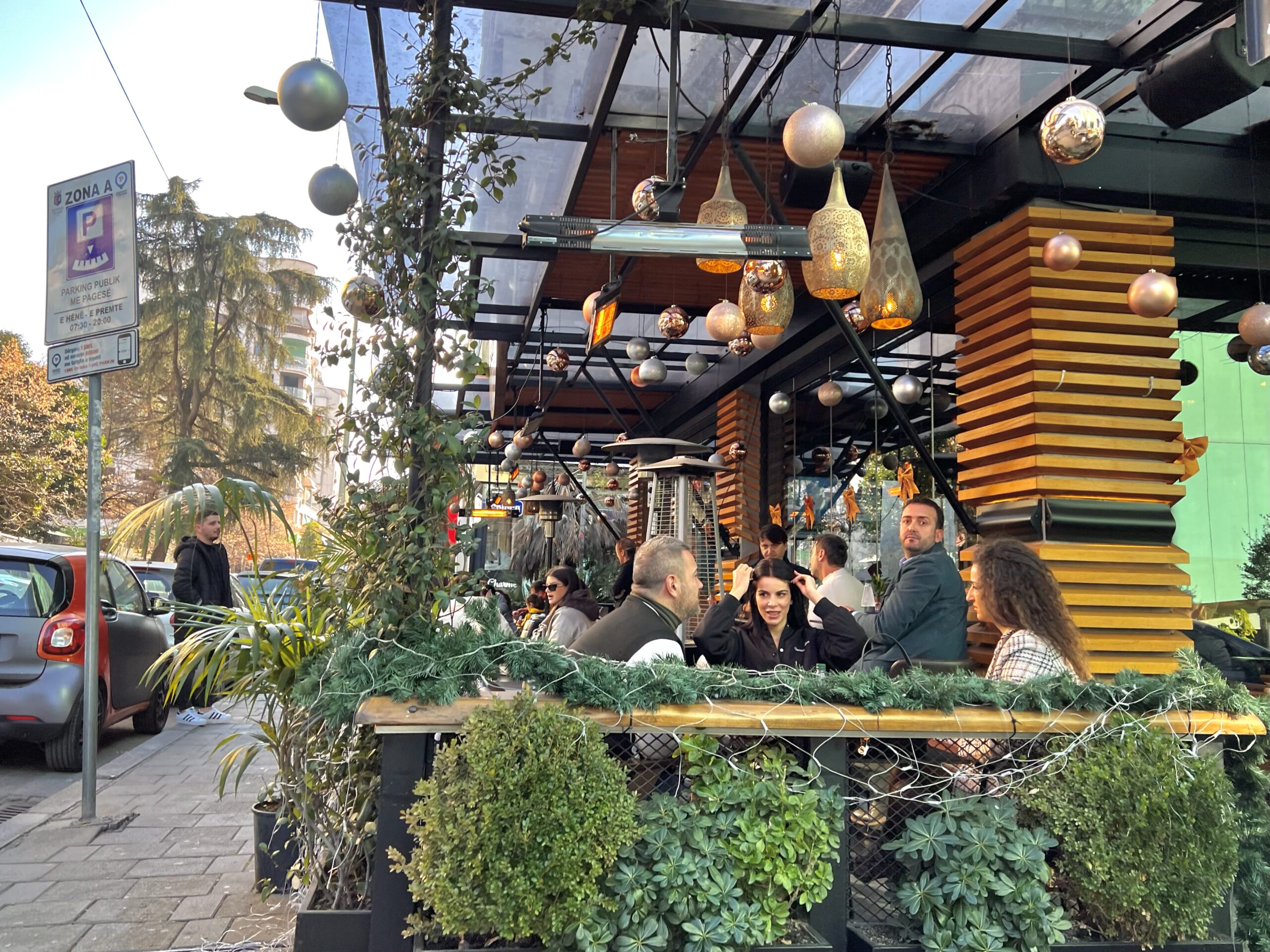
The expat community. Tirana’s expat community has grown enormously since 2020 but is still small enough to feel like a village. There are expat meetups, coworking events, language exchange nights, and social gatherings. The main hubs are Blloku (the nightlife and cafe district), the coworking spaces (Destil, OFIQI, Tirana Coworking), and increasingly, the digital nomad scene around Pazari i Ri.
Albanian social norms to know:
- Coffee is sacred. “Do you want to grab a coffee?” is the Albanian equivalent of “let’s hang out.” Coffee meetings can last 2-3 hours. Don’t rush them.
- Directness is normal. Albanians ask personal questions (“How much is your rent?” “Are you married?” “Why not?”) that would be considered rude elsewhere. It’s not rude here. It’s interest.
- Family comes first. Always. If an Albanian friend cancels plans because of a family obligation, understand that this is non-negotiable. Family structures here are close and obligations are real.
- Hospitality is not optional. If you’re invited to someone’s home, expect to be fed until you physically cannot eat more. Bring a small gift (flowers, chocolates, or a bottle of raki if you know they drink).
The loneliness factor. I won’t pretend this doesn’t exist. Moving to a new country is isolating, even a friendly one. The first few months can be tough, especially if you’re working remotely and don’t have a built-in social structure. My advice: join things immediately. A gym, a language class, a coworking space, a running group. Force yourself out of the apartment in the first month. The connections you make early become your anchor.
“The first three months, I wondered what I was doing here. By month six, I couldn’t imagine leaving. Albania grows on you slowly and then all at once.” — That’s how almost every expat I know describes it, and my own experience wasn’t much different.
What Nobody Tells You
Every relocation guide paints a rosy picture. I want to give you the full one. Here’s the stuff that will frustrate you, surprise you, and ultimately become part of why you either love Albania or leave it.
Bureaucracy is painful. I cannot overstate this. Every interaction with a government office involves queuing, being sent to another office, getting a photocopy, coming back, finding out you need a different document, and returning the next day. Patience isn’t a virtue here — it’s a survival skill. The e-Albania digital platform has improved things dramatically for common tasks, but anything non-standard still requires in-person visits that will test your limits.
Everything takes longer than you think. Construction projects that were supposed to take 6 months? Two years. Internet installation in 3 days? Maybe a week. A government document in 30 days? Plan for 60. This isn’t malice or incompetence — it’s just the pace. You will either adapt to this rhythm or go mad fighting it.
Noise. Tirana is loud. Construction starts early (sometimes 6 AM, and yes, on Saturdays). Car horns are conversation tools. Music from cafes and bars carries far. Dogs bark at night. And if your building has a communal area, you’ll hear every gathering, every argument, every celebration. Earplugs and noise-canceling headphones are genuine quality-of-life investments.
Infrastructure gaps. Sidewalks are inconsistent — you’ll be walking on a perfectly paved section that suddenly turns into broken concrete or a car parked on the footpath. Traffic is aggressive (though improving). Public transport is limited to municipal buses and the informal furgon (minibus) system. There is no metro, no tram, no rail service within the city. For getting around, many expats use taxi apps like Speed Taxi, Clust, or VrapOn — they work well and rides across town rarely exceed EUR 3–5.
Summer heat. July and August in Tirana can be brutal — 35-40°C is common. The city is in a valley, so heat gets trapped. If you’re not prepared for it (AC is mandatory, not optional), these months can be genuinely uncomfortable. The upside? The beach is 35 minutes away, and many locals (and expats) simply relocate to the coast for August.
But then there’s the other side:
The food. Albanian food doesn’t get the international recognition it deserves. Fresh, seasonal, often organic by default because industrial farming barely exists. Tomatoes that actually taste like tomatoes. Cheese made that morning. Lamb from animals that grazed on mountain herbs. Once you eat here for a few months, supermarket produce in Western Europe will depress you.
The people. Albanians are among the most genuinely warm and generous people I’ve encountered anywhere in the world. Not in a polished, service-industry way. In a real, “come have dinner at my house, meet my mother, stay until midnight” way. Once someone considers you a friend here, they mean it completely.
The cost. There’s a freedom that comes from not worrying constantly about money. When your rent is EUR 400 and your morning espresso is EUR 0.60, the financial stress that defines life in many Western cities simply… evaporates. That psychological shift is enormous and underrated.
The quality of life. This is the hardest to quantify and the most important. Despite all the frustrations, most expats I know in Tirana are genuinely happier than they were in their home countries. There’s more time, more sunshine, more human connection, and less of the soul-crushing routine that dominates life in expensive, efficient cities.
Monthly Budget Breakdown
Here’s what real life in Tirana costs in 2026, based on my own experience and conversations with dozens of expats. All figures are for a single person living in Tirana. For more detail, check out my full cost of living guide.
| Expense | Budget (EUR 800) | Mid (EUR 1,200) | Comfortable (EUR 1,800) |
|---|---|---|---|
| Rent | 250 | 400 | 600 |
| Utilities (electric, water, internet) | 60 | 80 | 100 |
| Groceries | 150 | 200 | 250 |
| Eating out | 80 | 180 | 300 |
| Transport (taxis, fuel) | 40 | 80 | 120 |
| Health insurance | 20 | 50 | 100 |
| Entertainment & social | 80 | 120 | 200 |
| Coworking / gym | 40 | 60 | 80 |
| Miscellaneous | 80 | 30 | 50 |
| TOTAL | EUR 800 | EUR 1,200 | EUR 1,800 |
Notes: “Budget” assumes a shared apartment or a small studio in an outer neighborhood, cooking at home mostly, and limited eating out. “Mid” is a decent one-bedroom in a good area, regular restaurant meals, and a normal social life. “Comfortable” is a nice apartment in Blloku or the city center, eating out frequently, weekend trips, and no financial stress.
Frequently Asked Questions
Can I work remotely in Albania legally?
Yes. The 1-year visa-free stay allows you to be in the country, and there is no specific law prohibiting remote work for a foreign employer. If you are paid by a company outside Albania and don’t generate Albanian-source income, you’re in a gray area that most expats navigate without issues. However, if you want to be fully legal and establish tax residency (staying 183+ days), registering as self-employed and paying Albanian taxes is the proper route. Consult a local accountant.
Is Albania safe for solo female expats?
Yes. Albania is generally very safe, and Tirana in particular has a low crime rate. Solo female expats live here comfortably. The usual common-sense precautions apply (as they would anywhere), but street harassment is rare, and the cultural norm of hospitality extends strongly to women. Many solo female digital nomads have made Tirana their base specifically because of how safe and welcoming it feels.
Do I need a car in Tirana?
No. Tirana is compact enough that most things are within walking distance or a short taxi ride. Taxi apps (Speed Taxi, Clust, VrapOn) are cheap and reliable. A car is useful for weekend trips to the coast or mountains, but for daily life in the city, it’s more of a hassle than a help — parking is a nightmare and traffic is aggressive. Many expats rent a car for weekend trips instead of owning one.
What’s the internet speed like?
Excellent. Fiber optic is widely available in Tirana, and speeds of 100-500 Mbps are standard from providers like Vodafone, One Albania, and Digicom. Prices range from EUR 15-30/month. I work from home on video calls daily without issues. Coworking spaces also have reliable, fast connections. Albania is genuinely one of the better countries in Europe for internet quality relative to cost.
Can I bring my pet to Albania?
Yes. Albania requires a valid EU pet passport (or equivalent documentation), a microchip, up-to-date rabies vaccination, and a health certificate from a vet issued within 10 days of travel. Airlines like Wizz Air and Turkish Airlines allow pets in the cabin or cargo hold (check specific airline policies). Once here, there are several good veterinary clinics in Tirana. Albania is generally pet-friendly, though off-leash areas and dog parks are limited.
Final Thoughts
I came to Albania 21 years ago, and I’m still discovering things about this place. That’s not because it’s complicated — it’s because it’s alive. It’s changing, growing, stumbling, getting back up. It’s not the same country I moved to in 2004, and it won’t be the same country five years from now.
Moving here isn’t easy. The bureaucracy will frustrate you. The noise will test you. The infrastructure will occasionally fail you. There will be days when you wonder why you didn’t just move to Lisbon or Barcelona or Bali like everyone else in the digital nomad forums.
But then you’ll sit down at a cafe on a random Tuesday afternoon, the sun will be pouring through the plane trees, your espresso will cost 60 cents, and the old man at the next table will start telling you his life story in broken English mixed with Albanian — and you’ll realize that this place has something that most of those other “expat hotspots” have already lost. An authenticity. A rawness. A human warmth that hasn’t been commercialized yet.
Albania is not a finished product. And honestly, that’s what makes it worth it.
If you’re thinking about making the move, I’d say this: come for a month first. Rent an apartment, walk the streets, eat the food, meet the people. Give it a real chance — not a weekend visit, not a Booking.com tourist experience. A real month of daily life. If Albania is for you, you’ll know. And if it isn’t, at least you’ll have spent a month in the sunshine eating incredible food for almost nothing.
Either way, you won’t regret trying.
What do you think?
Are you thinking about moving to Albania? What is the biggest question or concern you still have? Ask me in the comments!
Subscribe to monthly updates
Get honest Albania travel tips, local guides, and new posts straight to your inbox. No spam, unsubscribe anytime.
