
Key Takeaways
- The plis (also called qeleshe) is a white brimless felt cap and Albania’s most iconic piece of traditional headwear, worn across Albania, Kosovo, and the diaspora.
- UNESCO inscribed the xhubleta (Albanian bell skirt) in 2022, proving that Albanian traditional clothing can achieve international recognition.
- Micky Haxhiislami has led the #plisineUNESCO campaign for over 12 years, lobbying for the plis to receive the same UNESCO protection.
- The number of master plis craftsmen is declining, and without formal protection, the traditional felting knowledge risks disappearing within a generation.
I grew up seeing the plis everywhere. My grandfather had one that sat on the shelf by the front door, white as fresh snow, slightly worn at the crown from decades of use. He didn’t wear it daily by the time I was a kid, but on holidays, on Independence Day, at weddings, it came down from that shelf and went on his head like a switch being flipped. Suddenly he wasn’t just gjyshi. He was something older, something connected to a line of men stretching back centuries.
If you’ve spent any time in Albania or Kosovo, you’ve seen the plis (pronounced “pleess”). It’s the white felt cap that sits on the heads of statues, elders, folk dancers, and flag-waving diaspora Albanians at every national celebration. It’s on postage stamps, on the heads of League of Prizren delegates in 19th-century photographs, and carved into the stone of monuments from Tirana to Prishtina. But here’s what most people don’t realize: this simple white cap has no formal international protection. No UNESCO inscription. No safeguarding program. And the people who know how to make one the traditional way are getting older every year.
That’s what this article is about. The plis itself, what it means, where it comes from, and one man’s 12-year campaign to get it the recognition it deserves.
Table of Contents
What Is the Albanian Plis?
The plis is a white, brimless, dome-shaped felt cap made from sheep’s wool, and it’s the most recognizable piece of traditional Albanian headwear. According to the UNESCO Intangible Cultural Heritage framework, traditional craftsmanship like felt-making is precisely the kind of knowledge that qualifies for international safeguarding. The plis has been worn by Albanian men for centuries across Albania, Kosovo, North Macedonia, Montenegro, and wherever the Albanian diaspora has settled.
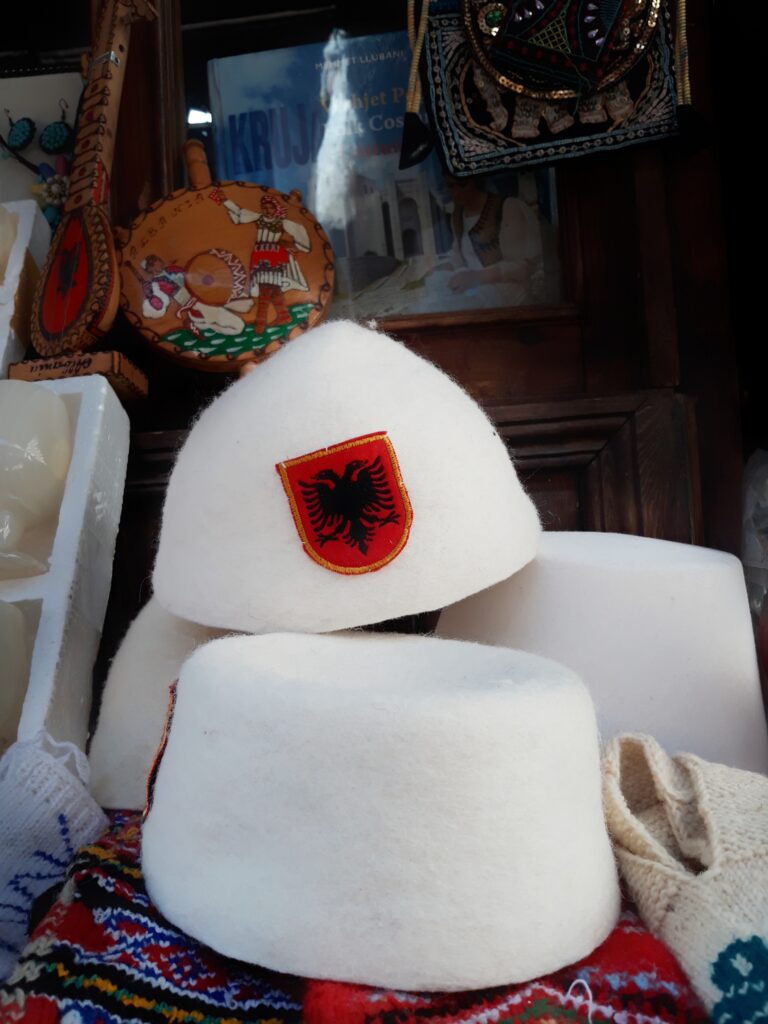
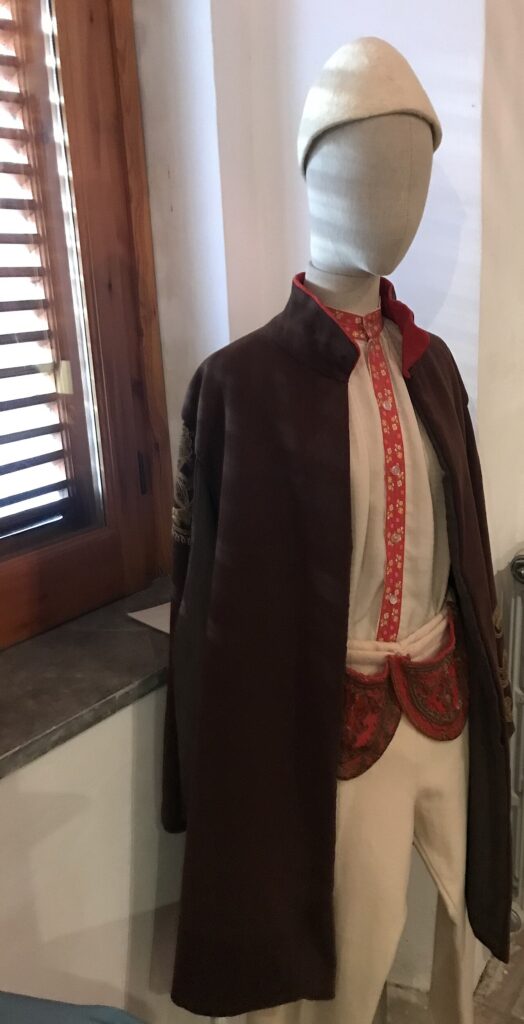
Physically, it’s a simple thing. A rounded cap, usually pure white, with no brim, no embroidery, no decoration. It sits snugly on the crown of the head, typically standing about 7-10 centimeters tall. The white color isn’t accidental. In Albanian tradition, white symbolizes purity, honor, and bravery. When an Albanian man put on his plis, he was making a statement about who he was and where he came from.
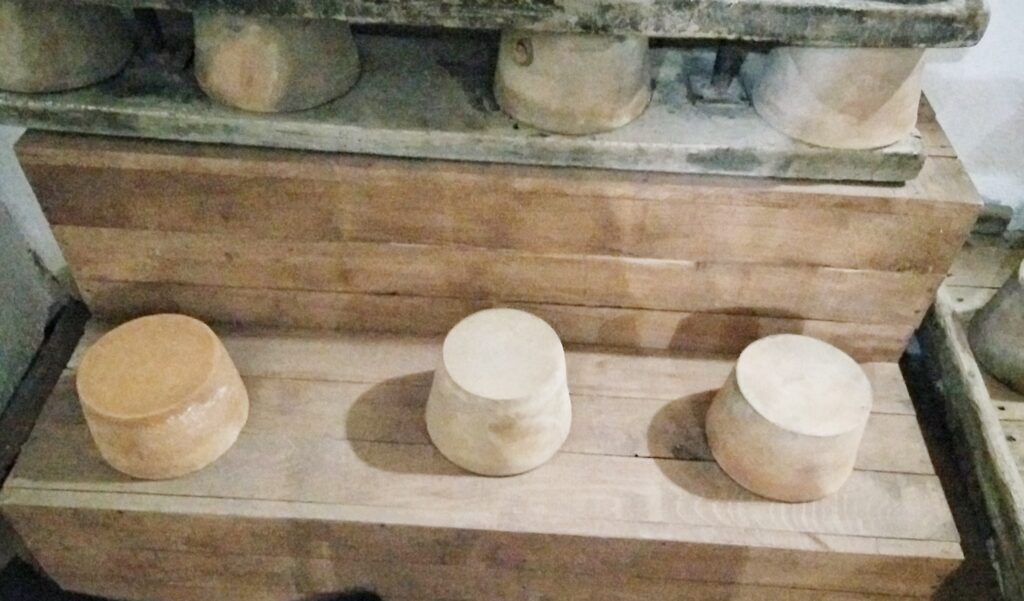
Now, about the name. If you’re confused by the terminology, you’re not alone. In the Gheg dialect spoken in northern Albania and Kosovo, the cap is called “plis.” In some southern and Tosk-speaking regions, you’ll hear “qeleshe” (pronounced “cheh-LEH-sheh”). They refer to the same thing. For this article, I’ll mostly use “plis” since that’s the term used in the UNESCO campaign and the one most commonly recognized internationally.
What Does the Plis Symbolize?
The plis isn’t just a hat. It’s a cultural marker. Wearing one was historically a declaration of Albanian identity, particularly during the Ottoman period when Albanians needed ways to distinguish themselves from other Balkan peoples under the same empire. The white cap became a visual shorthand: I am Albanian.
That symbolism hasn’t faded. At Albanian independence celebrations on November 28, at weddings in Kosovo’s villages, at diaspora gatherings from New York to Munich, the plis still says the same thing. It says: I remember where I come from.
What Is the History of the Plis?
Planning a Trip to Tirana?
Get my free Tirana in 48 Hours checklist with day-by-day itinerary, prices, and local tips.
Get the Free Checklist →The origins of the plis stretch back at least to the Illyrian era, making it one of the oldest continuously worn headwear traditions in the Balkans. Archaeological evidence from sites across modern Albania and Kosovo shows that ancient Illyrian warriors wore felt caps, a practice documented in Roman-era records dating to the 1st and 2nd centuries CE (Wikipedia, Albanian Traditional Clothing). Whether today’s plis is a direct descendant of those Illyrian caps is debated by historians, but the cultural continuity is hard to ignore.
Let me walk you through the timeline. It’s a long one.
Illyrian Era (1st-4th century CE): Felt caps appear on Illyrian warriors in Roman-era depictions. The Illyrians, ancestors of modern Albanians, occupied the western Balkans and were known for their distinctive dress. Felt-making was a well-established craft across the ancient Mediterranean, but the specific dome shape associated with Albanian headwear may trace back to this period.
Medieval Period (15th century): During Skanderbeg’s resistance against the Ottoman Empire (1443-1468), the plis was common among Albanian soldiers and civilians. Skanderbeg himself is usually depicted wearing his famous goat-head helmet (which is now in a Vienna museum), but his troops wore the plis. It was already a marker of Albanian identity during this era of fierce independence.
Ottoman Era (15th-20th century): Under Ottoman rule, the plis became a crucial ethnic identifier. While other Balkan peoples adopted the fez or various turbans, Albanian men kept the white felt cap. It distinguished them visually from Turks, Greeks, Serbs, and others within the multi-ethnic Ottoman system. The plis wasn’t just fashion. It was quiet resistance.
Albanian National Awakening / Rilindja (1870s-1912): The plis became an explicit symbol of the Albanian national movement. Leaders of the League of Prizren (1878), which demanded Albanian autonomy within the Ottoman Empire, wore the plis in their meetings and official photographs. When you look at those black-and-white images of the delegates, every man is wearing one. It was a political uniform as much as a cultural accessory.
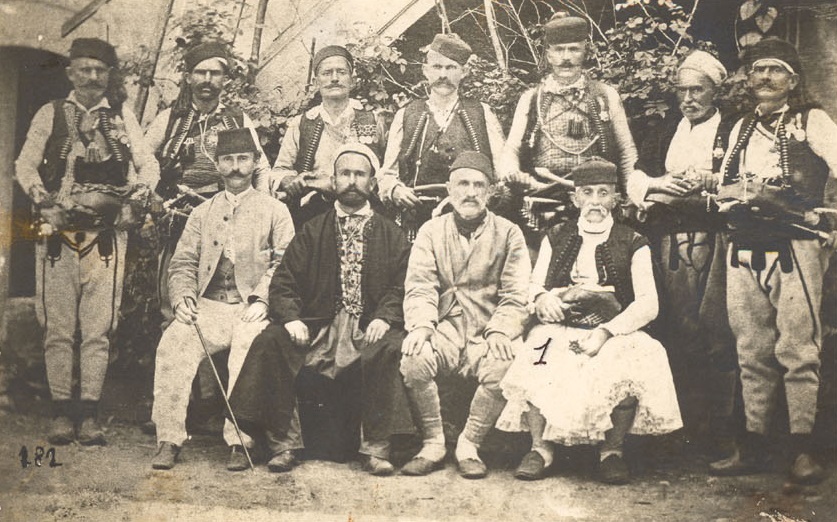
Independence Era (1912-1939): When Albania declared independence on November 28, 1912, Ismail Qemali and the founding fathers wore the plis. It appeared on early Albanian postage stamps, government seals, and diplomatic events. The cap was no longer just tradition. It was state symbolism.
Communist Period (1944-1991): Here’s where things get complicated. Enver Hoxha’s regime discouraged many forms of traditional dress, viewing them as backward or feudal. The plis wasn’t banned outright, but in urban areas, wearing one increasingly marked you as old-fashioned or rural. In Tirana, you’d see far fewer plisa by the 1970s. But in the mountains of northern Albania and in Kosovo (then part of Yugoslavia), the tradition endured largely untouched.
Post-Communist Revival (1991-present): After the fall of communism, there was a renewed pride in traditional Albanian symbols. The plis experienced a cultural renaissance, particularly in Kosovo following the 1998-99 war and independence in 2008. Diaspora Albanians adopted it as a pride symbol. Today, the campaign for UNESCO recognition represents the latest chapter in this centuries-old story.
The timeline above synthesizes multiple historical sources. The continuity of the plis from the Ottoman era through communism to the present day, surviving two empires and a totalitarian regime, is remarkable and largely underdocumented in English-language sources.
How Is a Plis Made?
Making a traditional plis is a labor-intensive felting process that takes several hours of skilled handwork, and the number of craftsmen who know the technique is shrinking every year. According to Prishtina Insight, the plis-making tradition is concentrated in a handful of workshops in Kosovo and northern Albania, with master craftsmen often in their 60s and 70s and few apprentices learning the trade.
The process starts with raw sheep’s wool, preferably from mountain breeds. Here’s how it works, step by step.
- Wool selection and cleaning. The raw wool is washed repeatedly to remove lanolin, dirt, and debris. White wool is essential since the plis must be pure white. Any discoloration means starting over.
- Carding and layering. The clean wool is carded (combed) into thin, even layers. Multiple layers are stacked in a cross-hatch pattern to create strength and uniformity. This layering determines the final density and durability of the cap.
- Wet felting. Hot water (sometimes with soap) is applied to the wool layers, which are then rolled, pressed, kneaded, and beaten repeatedly. This is the core of the process, where the wool fibers interlock and shrink into dense felt. It requires significant physical effort and can take 2-4 hours of continuous work.
- Shaping. While the felt is still damp and pliable, the craftsman shapes it over a wooden form (called a kallep) in the characteristic dome shape. The cap must be smooth, even, and symmetrical. Any wrinkles or uneven spots are worked out by hand.
- Drying and finishing. The shaped plis is left to dry on the form, usually in the sun. Once dry, it’s trimmed, brushed, and sometimes lightly steamed to achieve the final smooth, bright white finish. A well-made plis should hold its shape for years.
Did you know?
A single handmade plis requires the wool from approximately one sheep and takes 4-6 hours of continuous manual labor to produce. Mass-produced versions made with industrial felt can be stamped out in minutes, but they lack the density, texture, and cultural authenticity of a hand-felted original. You can usually tell the difference by touch: a real plis feels solid and warm, almost like touching compressed cloud.
I’ve watched craftsmen work at the Kruja bazaar. The physical effort involved in wet felting is genuinely impressive. These aren’t men sitting quietly at a workbench. They’re kneading, rolling, and pounding wool with their forearms and fists, sweat on their brows, for hours. It’s closer to manual labor than what most people imagine when they hear the word “craft.”
Where Can You Buy an Authentic Plis?
If you want the real thing, not a factory-made souvenir, here are your best options:
Kruja Bazaar, Albania
The old bazaar below Kruja Castle is the most famous place to buy traditional Albanian goods. Several shops sell handmade plisa alongside other traditional items. Expect to pay 2,000-5,000 ALL (roughly €17-€42) for a genuine handmade piece. The bazaar is an easy day trip from Tirana.
Shkodra Craft Shops, Albania
Shkodra (Shkoder), the cultural capital of northern Albania, has several artisan shops near the pedestrian area and Rozafa Castle. Northern Albania is historically where plis-making was most concentrated, so the pieces here tend to be excellent quality.
Prishtina and Prizren Markets, Kosovo
Kosovo’s old bazaars, particularly in Prizren and Prishtina, are excellent sources for handmade plisa. The plis tradition is arguably stronger in Kosovo than in Albania, especially in rural areas where it’s still worn regularly. Prices are similar to Albanian markets.
The UNESCO Campaign: Who Is Behind #plisineUNESCO?
For over 12 years, Micky Haxhiislami has led the #plisineUNESCO campaign, making it one of the longest-running Albanian cultural advocacy efforts in the digital age. Operating from Tokyo, Japan, where he runs medical device companies, Haxhiislami has used his LinkedIn platform of 24,000+ followers and a network of Albanian cultural organizations to lobby for the plis to be inscribed on UNESCO’s Intangible Cultural Heritage list.
So who is Micky Haxhiislami? Born in Peja (Pec), Kosovo in 1964, he’s the CEO of Intermedico Japan and a tireless advocate for Albanian heritage. He co-founded the “Albanian Vintage Photography” Facebook group, which now has over 35,000 members and an archive of more than 100,000 historical photos. He’s active in VATRA, the historic Albanian-American organization founded in 1912. And he was a key figure in the successful campaign to get the xhubleta inscribed by UNESCO in 2022.
But here’s the thing about the plis campaign. It’s been running since approximately 2012, and the plis still isn’t inscribed. Why? Because UNESCO inscription is not a popularity contest. It requires formal government nomination, extensive cultural documentation, evidence of community involvement, and a safeguarding plan. That’s a bureaucratic process that can take years, even when everything goes smoothly.
What Does the Campaign Actually Involve?
Haxhiislami’s strategy has several layers:
- Social media awareness. The #plisineUNESCO hashtag appears regularly on LinkedIn, Facebook, and Instagram, reaching Albanian communities worldwide. Consistent posting over 12+ years has built significant awareness.
- Cultural documentation. Photographing, filming, and recording the craft traditions, regional variations, and cultural significance of the plis. This kind of documentation is essential for a UNESCO nomination file.
- Institutional lobbying. Working with Albanian and Kosovar cultural ministries, diaspora organizations, and UNESCO national commissions to build the formal case for inscription.
- Cultural events. Organizing and participating in events that celebrate and promote the plis tradition, from diaspora gatherings in the U.S. to cultural festivals in Kosovo.
The xhubleta’s successful inscription in 2022 gave the campaign a major boost. It proved that the Albanian government could navigate the UNESCO process. Now the question is whether they’ll commit the same institutional resources to the plis.
The challenge isn’t awareness. Albanians worldwide know what the plis is. The challenge is institutional, getting governments to prioritize the formal UNESCO nomination process when they have limited resources and competing cultural priorities. The xhubleta campaign succeeded partly because it was classified as “in need of urgent safeguarding,” a designation that fast-tracks the process. Whether the plis qualifies for the same urgency classification is a strategic question the campaign still needs to answer.
How Did the Xhubleta Get UNESCO Protection?
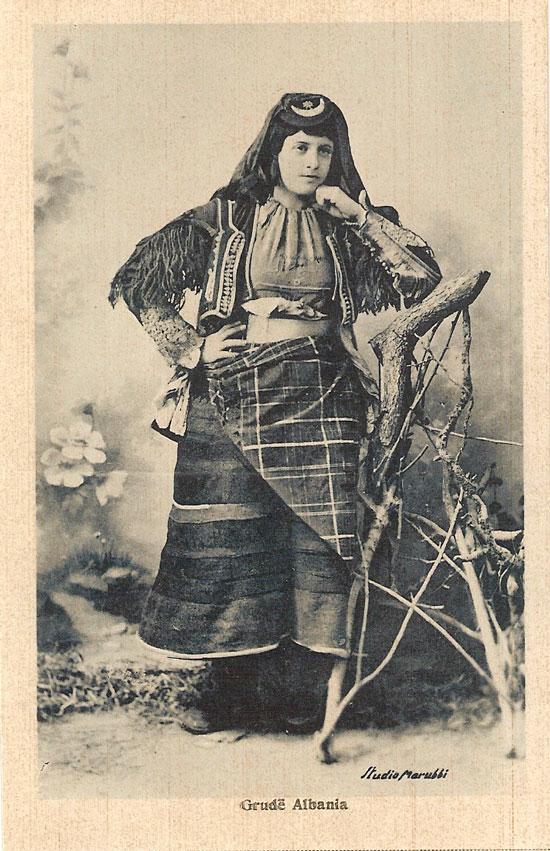
In December 2022, UNESCO inscribed the Albanian xhubleta (bell-shaped skirt) on its List of Intangible Cultural Heritage in Need of Urgent Safeguarding, making it the first Albanian garment to receive formal international protection. The decision was announced at the 17th session of the Intergovernmental Committee in Rabat, Morocco (UNESCO, 2022). This success proved Albania could navigate the complex UNESCO nomination process, and it set a direct precedent for the plis campaign.
The xhubleta is a stunning piece of clothing. It’s a bell-shaped skirt traditionally worn by women in the mountainous regions of northern Albania, made from strips of felt and wool in alternating dark and light bands. The construction technique requires specialized knowledge passed down through families, and by 2022, very few women still knew how to make one from scratch. That’s why UNESCO classified it as “in need of urgent safeguarding” rather than placing it on the standard Representative List.
What Made the Xhubleta Campaign Succeed?
Several factors came together:
- Government commitment. The Albanian Ministry of Culture formally nominated the xhubleta and prepared the extensive documentation UNESCO requires.
- Urgency classification. The “urgent safeguarding” designation meant the application went to a faster review track. UNESCO recognized that the craft was genuinely at risk of disappearing.
- Community involvement. Local artisans, cultural organizations, and diaspora groups provided evidence of ongoing practice and cultural significance.
- Advocacy campaigns. People like Micky Haxhiislami and others raised international awareness through social media and cultural events, building the case for inscription.
So the template exists. The Albanian government successfully submitted a nomination, UNESCO evaluated it, and the inscription was granted. The question for the plis is: can this process be replicated?
I think it can. But it won’t happen without institutional will. Social media campaigns raise awareness, and awareness is important. But the UNESCO process ultimately requires a government to submit a formal nomination with professional-grade documentation. The plis campaign needs Albania and Kosovo to make that commitment.
Where Can You See the Plis Today?
The plis remains visible across Albanian cultural life, from national monuments to village weddings, though its everyday use has declined significantly since the mid-20th century. According to Albania’s National Historical Museum in Tirana, their ethnographic collection includes numerous examples of traditional Albanian headwear, with the plis featured prominently in exhibits on national identity and folk costume.
If you’re visiting Albania or Kosovo and want to see (or buy) a plis, here’s where to look.
Skanderbeg Square, Tirana
The massive Skanderbeg statue in Tirana’s central square depicts Albania’s national hero on horseback. While Skanderbeg himself historically wore his famous goat-head helmet, the plis is omnipresent in the surrounding iconography, souvenirs, and cultural events held in the square. On Independence Day (November 28), you’ll see hundreds of plisa in the crowd.
National Historical Museum, Tirana
The museum’s ethnographic halls display traditional costumes from every Albanian region. The plis appears in multiple exhibits alongside full folk costumes, giving you context for how it was worn as part of a complete outfit. Entry is 700 ALL (about €6).
Kruja Bazaar and Castle
Kruja is the spiritual home of Albanian resistance and the best place to buy handmade plisa. The old bazaar below the castle has multiple shops selling traditional felt caps alongside other crafts. The Skanderbeg Museum inside the castle adds historical context. This is a straightforward day trip from Tirana, about 45 minutes by car.
Kosovo: Villages, Weddings, and Cultural Events
The plis is more commonly worn in everyday life in Kosovo than in Albania. In rural areas, particularly in the Drenica and Dukagjini regions, older men still wear the plis daily. At Kosovar weddings and Albanian cultural festivals, it’s practically mandatory. The city of Prizren, with its old bazaar and cultural heritage, is a particularly good place to experience this living tradition.
Albanian Independence Day Celebrations (November 28)
Every year on November 28, Albanian communities worldwide celebrate independence with flags, folk music, and traditional dress. The plis is everywhere, on heads young and old, in parades, and at cultural events. It’s the single best day of the year to see the plis in active cultural use, both in Albania and across the diaspora from New York to London to Munich.
Ethnographic Museums Across Albania and Kosovo
Beyond Tirana, ethnographic museums in Berat (inside the castle), Gjirokaster (the old town), and Prishtina (Kosovo Museum) all feature traditional Albanian costumes with the plis. Gjirokaster’s Ethnographic Museum is especially good, housed in a beautiful Ottoman-era house.
“A nation that forgets its clothing forgets its identity. The plis is not a museum piece. It is a living symbol of who we are as Albanians, wherever we live in the world.”
– Micky Haxhiislami, via LinkedIn
Why Does the Plis Need Protection?
The core threat to the plis isn’t cultural abandonment, it’s the loss of the traditional craft knowledge needed to make one. While the plis remains symbolically important to Albanians worldwide, Prishtina Insight reports that the number of traditional plis craftsmen has been declining for decades, with most remaining masters in their 60s and 70s and fewer young people entering the trade. Without formal documentation and safeguarding, the handmade plis could become a purely ceremonial artifact within one generation.
Let me be honest about what I see living here. The challenges are real.
Declining Craftsmanship
This is the biggest problem. Making a plis the traditional way is hard work, and it doesn’t pay particularly well. A craftsman in Kruja or Prizren might sell a handmade plis for €20-€40, after hours of labor. Compare that to what someone can earn in construction, services, or emigration. Young people aren’t choosing this career, and the masters aren’t being replaced.
Mass Production
You can buy a “plis” online for a few euros. It’ll be made of industrial felt, likely produced in China or Turkey, and it’ll look roughly right from a distance. But it won’t have the density, the warmth, or the character of a hand-felted original. And crucially, it doesn’t sustain the traditional craft. Every mass-produced plis sold is a small nail in the coffin of the handmade tradition.
Declining Daily Wear
Let’s be realistic. Young Albanians don’t wear the plis in their daily lives. In Tirana, you’ll almost never see one outside of holidays, cultural events, or tourist shops. Even in Kosovo, where the tradition is stronger, daily wear is largely limited to older men in rural areas. This isn’t unique to Albania. Traditional headwear has declined globally. But it means the plis is increasingly a ceremonial object rather than a living part of daily dress.
Diaspora Pride: A Counterweight
But here’s the hopeful part. The Albanian diaspora has embraced the plis as a pride symbol in ways that might actually be saving it. In communities across the United States, Germany, Switzerland, and Italy, the plis is worn at cultural events, shared on social media, and passed down to children born far from the Balkans. Diaspora Albanians are often more deliberately traditional than Albanians back home, precisely because they feel the distance from their roots.
This diaspora energy is what fuels campaigns like #plisineUNESCO. And it’s why I’m cautiously optimistic. The plis isn’t disappearing from Albanian consciousness. What’s disappearing is the knowledge of how to make one properly. That’s the gap UNESCO recognition could help fill.
There’s an interesting paradox at work here. The plis is more visible globally than ever, thanks to social media and diaspora pride, but the actual craft of making one is less practiced than at any point in its history. UNESCO inscription wouldn’t just be symbolic. It would create institutional frameworks for documenting, teaching, and sustaining the felting techniques before the last generation of master craftsmen is gone. The xhubleta inscription already triggered government funding for workshops and apprenticeship programs. The plis needs the same.
What the Plis Means for Albanian Identity
I started this article with my grandfather’s plis on its shelf. Let me end with a thought about what that shelf represents.
Albania is a country that has been occupied, partitioned, isolated, and reinvented more times than most nations could survive. Through all of it, certain things persisted. The language. The code of besa. The traditions and customs that bound families and communities together. And the plis, sitting quietly on a shelf or on a head, saying nothing and saying everything at once.
When Micky Haxhiislami posts about the plis from his office in Tokyo, he’s doing something that matters. He’s reminding 24,000 people (and their networks) that this thing exists, that it’s important, and that it needs formal protection before the last craftsman puts down his wool and walks away. Whether UNESCO acts on it or not, the campaign itself is a form of preservation.
But I also want to be honest. UNESCO recognition alone won’t save the plis. What will save it is Albanian families teaching their children the craft, young entrepreneurs finding ways to make traditional felt-work economically viable, and all of us, at home and abroad, treating the plis as something worth wearing, not just something worth posting about.
My grandfather’s plis eventually ended up with me. It sits in a cabinet in my Tirana apartment. I don’t wear it to the office (that would be strange), but I do put it on for November 28. And every time I do, I feel that connection, that switch flipping. Not just to him, but to everyone who wore one before him.
That’s worth protecting.
Frequently Asked Questions
What is a plis?
A plis is a white, brimless, dome-shaped felt cap traditionally worn by Albanian men. Made from sheep’s wool through a manual felting process, it’s the most iconic piece of Albanian headwear. The plis has been worn for centuries across Albania, Kosovo, North Macedonia, and Montenegro as a symbol of Albanian identity, purity, and bravery.
What is the difference between a plis and a qeleshe?
They’re the same thing. “Plis” is the term used in the Gheg dialect spoken in northern Albania and Kosovo. “Qeleshe” is used in some other Albanian-speaking regions. Both refer to the traditional white felt cap. The term “plis” has become more widely recognized internationally, partly because of the #plisineUNESCO campaign.
Is the Albanian plis on UNESCO’s list?
No, not yet. As of 2026, the plis has not been inscribed on UNESCO’s Intangible Cultural Heritage list. However, a campaign led by Micky Haxhiislami (#plisineUNESCO) has been advocating for inscription since approximately 2012. The successful UNESCO inscription of the xhubleta (Albanian bell skirt) in 2022 has created a precedent and momentum for the plis campaign.
Where can I buy an authentic Albanian plis?
The best places to buy a handmade plis are Kruja Bazaar in Albania (about 45 minutes from Tirana), Shkodra’s artisan shops, and the old bazaars in Prizren and Prishtina in Kosovo. Expect to pay 2,000-5,000 ALL (€17-€42) for a genuine hand-felted piece. Avoid mass-produced versions sold online for a few euros, as these are industrially made and don’t support the traditional craft.
How is a traditional plis made?
A plis is made through a wet felting process. Raw white sheep’s wool is cleaned, carded into layers, then repeatedly soaked in hot water and kneaded by hand until the fibers interlock into dense felt. The felt is shaped over a wooden form (kallep) into the dome shape and left to dry. The entire process takes 4-6 hours of continuous manual labor and requires the wool from approximately one sheep.
What do you think?
Have you ever worn a plis or seen one being made? Do you think UNESCO recognition would make a real difference for preserving this tradition? I’d love to hear from Albanians at home and in the diaspora.
Image credits
- Featured image and “What is the plis”: Margott / Wikimedia Commons, CC BY-SA 4.0
- League of Prizren delegates (1878): Pjetër Marubi / Wikimedia Commons, public domain
- Kruja bazaar plis caps: Inac123 / Wikimedia Commons, CC BY-SA 4.0
- Xhubleta photograph: Pjetër Marubi / Wikimedia Commons, public domain
- Albanian costume with plis: Piana degli Albanesi museum, Sicily / Wikimedia Commons, CC BY-SA 4.0
Subscribe to monthly updates
Get honest Albania travel tips, local guides, and new posts straight to your inbox. No spam, unsubscribe anytime.
