
Key Takeaways
- Coffee is a national institution, not a beverage. Albania has one of the highest concentrations of coffee bars per capita in the world — well over 500 per 100,000 people — and a cup here is rarely about caffeine on the go.
- Blloku has the densest cluster of terraces and specialty roasters, but the New Bazaar (Pazari i Ri) and the streets around Skanderbeg Square still do proper Turkish-style coffee the old way.
- An espresso costs roughly 80–150 lek (about €0.70–ë1.30) almost everywhere — one of the best coffee-to-price ratios in Europe.
- The ritual matters more than the drink: never rush a coffee, let the person who invited you pay, and don’t refuse an offered cup — it’s a small act of hospitality, not just a question.
- For remote work, Blloku’s specialty shops (Antigua, Destil, Artigiano) have reliable Wi-Fi and outlets; for atmosphere over Wi-Fi, the historic and museum-cafés win every time.
Table of Contents
Tirana runs on coffee. Albanians drink more of it per head than almost anyone in Europe, and the café here isn’t just where you get caffeine — it’s where deals get made, friendships get kept, and whole afternoons quietly disappear.
I’ve watched this city’s coffee scene grow from a handful of smoky bars into one of the liveliest in the Balkans. From third-wave roasters in Blloku to old-school spots where an espresso still costs less than a euro, here’s where I send friends to drink coffee like a local — mapped, so you can find the nearest one wherever you are.
Tap any café in the list to zoom straight to it. Staying longer? Dive into the full Tirana Insider Guide or browse things to do in Tirana.
What the map above won’t tell you is why Tirana has this many cafés in the first place, which ones are worth a detour, and how to sit down at one without feeling like a tourist. That’s the rest of this guide.
The Tirana Coffee Ritual: How Locals Actually “Grab a Coffee”
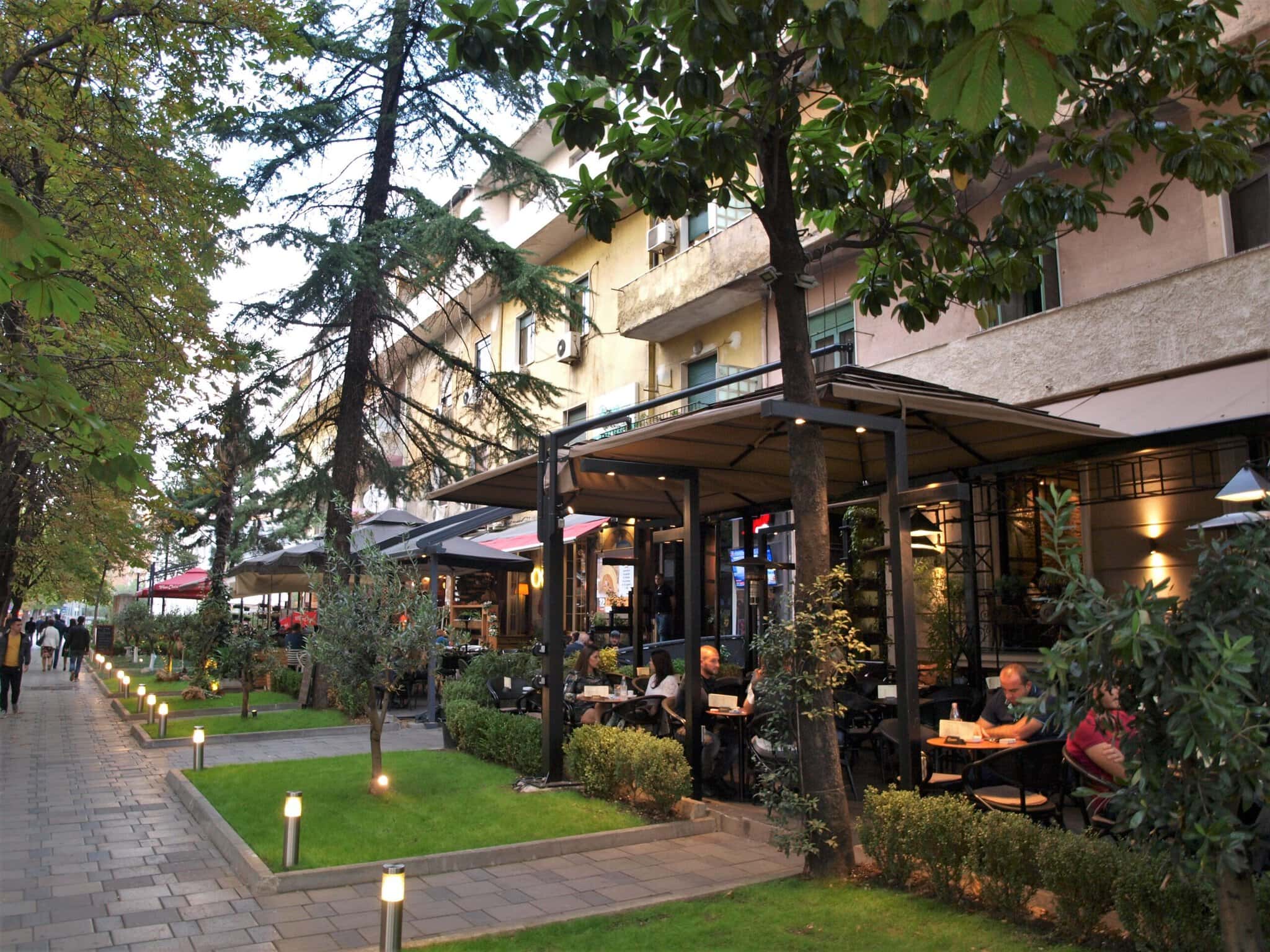
In Tirana, “let’s grab a coffee” is rarely about the coffee. It’s the standard opener for everything — a first date, a business meeting, catching up with an old classmate, even sorting out a family disagreement. Sitting down together over a cup is how things get discussed here, and it moves at its own pace: nobody orders at a counter and leaves a minute later the way you might in Rome or Milan. A single macchiato can anchor a conversation for half an hour or more, and rushing it is considered a little rude.
A few things are worth knowing before you sit down. If someone invites you for a coffee, especially the first time you meet them, let them pay — it’s a gesture of hospitality, not a transaction, and “next time it’s on me” is a genuine promise people keep. If you’re doing business with someone, expect the coffee to come before the business talk, not alongside it — that’s the bonding part. And if you’re offered a coffee and don’t actually want one, take a small sip anyway rather than refusing outright; declining flatly can read as rejecting the welcome itself.
Did you know?
Albania has one of the highest concentrations of coffee bars per capita on Earth — by some counts, over 500 per 100,000 residents, ahead of countries far wealthier on paper. Estimates put average consumption at 300–375 cups a year per adult.
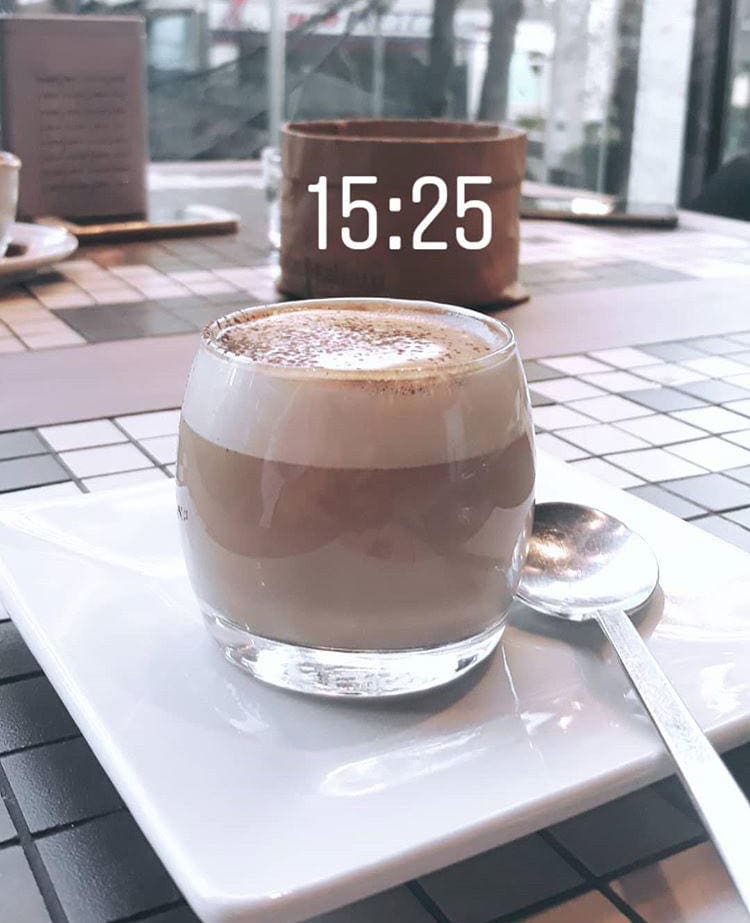
Order-wise, you’ll mostly hear two words: kafe turke (Turkish coffee, thick and unfiltered, served in a small copper-look pot) and makiato — Albanian for macchiato, and the everyday default at basically any hour, including what would be considered late-afternoon-espresso-only territory almost anywhere else. A plain espresso runs roughly 80–150 lek (about €0.70–ë1.30) nearly everywhere, which is part of why cafés are so central to daily life — there’s no real cost barrier to spending two hours in one. If you want the fuller picture of how the day is actually structured around these habits, our guide to daily life in Tirana goes deeper into the rhythms behind it.
Free checklist
Planning a trip to Tirana?
Get my free Tirana in 48 Hours checklist, with a day-by-day itinerary, prices and local tips.
Specialty & Third-Wave Coffee: Where the Beans Actually Matter
Most of Tirana’s coffee culture is still built around the espresso-and-macchiato tradition, but a small, serious specialty scene has grown up around Blloku over the last several years, aimed at people who care where the beans came from and how they were roasted.
Antigua Specialty Coffee is generally considered the one that got there first and takes it most seriously — it roasts its own beans and has built a reputation as one of the only true third-wave shops in the city, with rotating single-origin options alongside the usual menu. It’s a relaxed, bright space near Blloku that works equally well for a slow solo coffee or an actual meeting.
Alongside it, a handful of newer specialty spots have opened around the same neighborhood, each with its own small following for pour-overs, cold brew, or a particular house blend. Names and addresses shift as the scene keeps growing — if you’re serious about chasing specialty coffee specifically, it’s worth checking what’s newest when you land, since this corner of the café map changes faster than the classic terraces do.
Classic Blloku Café Terraces
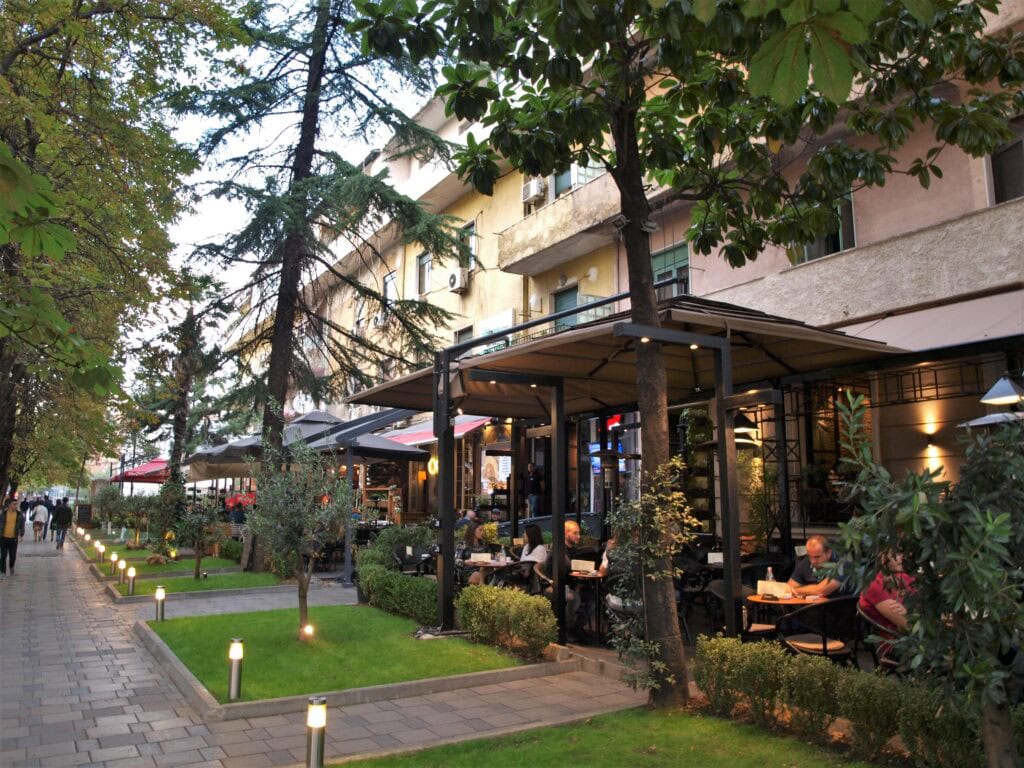
Blloku — once the sealed-off enclave where only Communist-era party officials were allowed to live — is now the opposite of exclusive: it’s the loudest, busiest café district in the country, and its terraces are where a huge share of Tirana’s social life actually happens. If you want the fuller neighborhood story, our Blloku neighborhood guide covers the history and the nightlife side of it too.
Mon Cheri is one of the most recognizable names on any Blloku terrace — part of a large local chain (the Balliu Group runs dozens of locations across the city), but the flagship spots around Wilson Square and through Blloku are consistently full from mid-morning on, and reasonably priced for the location. It’s a solid, no-surprises choice for people-watching with a coffee in hand.
Colonial, open since 2012 on a side street near the heart of Blloku, has become something of an institution — a comfortable, open-fronted bar-café with a huge drinks list and a relaxed, slightly worn-in feel that newer, shinier places haven’t quite replicated. It works as easily for an afternoon coffee as it does for an evening drink.
Historic & Literary Cafés: Coffee with a Story
Not every café in Tirana is chasing the third wave. A couple of places lean hard into atmosphere and memory instead — and they’re some of the most interesting stops on this whole list.
Komiteti – Kafe Muzeum, tucked in just behind the Pyramid, is genuinely a café and a museum at once. The name comes from “committee” — a nod to the Communist Party steering committees that once met in spaces like this — and the interior is packed floor to ceiling with objects from that era: old radios and televisions, propaganda-era furniture, uniforms, and a long list of raki varieties served alongside strong Albanian coffee. It’s less a themed bar than a genuine, slightly chaotic archive you can sit inside.
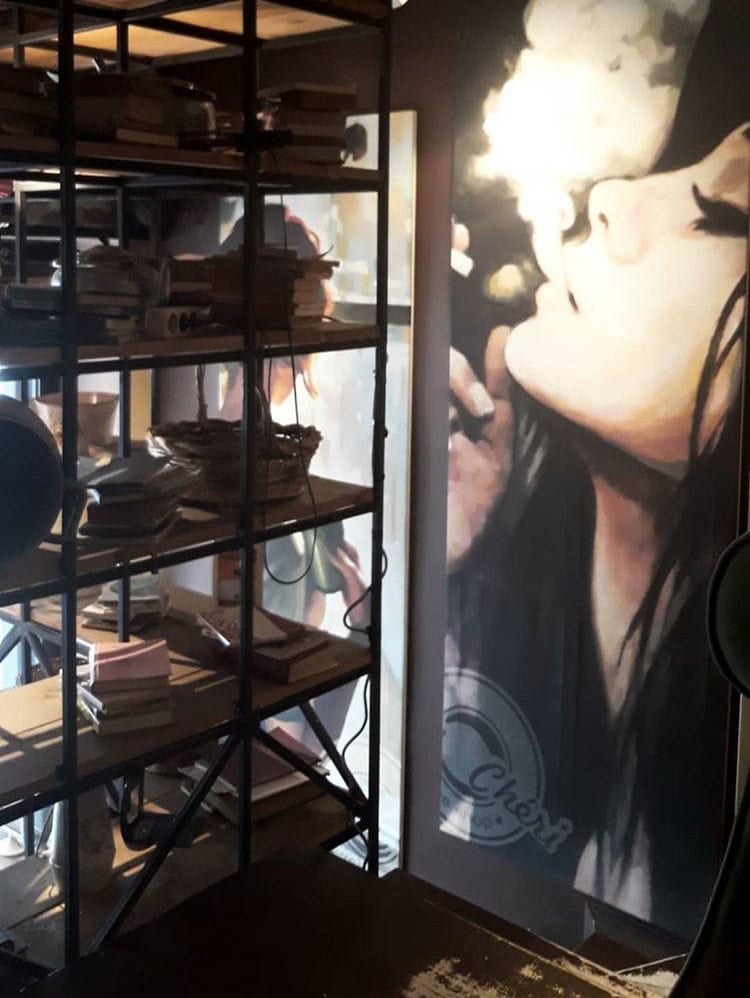
Hemingway, on one of central Tirana’s older pedestrianized streets, takes the opposite angle — a small, book-lined bar built entirely around Ernest Hemingway’s life and writing, with a serious rum collection (over a hundred varieties by some counts) and a genuinely relaxed, low-lit atmosphere for reading or talking over a slow drink. It shifts from a quiet daytime spot into a livelier evening one, which makes it flexible depending on when you show up.
A café like Komiteti tells you something the museums downtown don’t quite manage: that Albanians didn’t just live through the last fifty years, they eventually learned to sit down, order a coffee, and laugh about the props.
Day trips from Tirana
Want a day out of the city, planned for you?
Esther, our tour partner, plans day trips to Berat, Kruja, Durrës and Dajti Mountain, with certified local guides on site. Tell her your date and group size, and she replies personally, in English or German.
Work-Friendly Cafés for Remote Workers
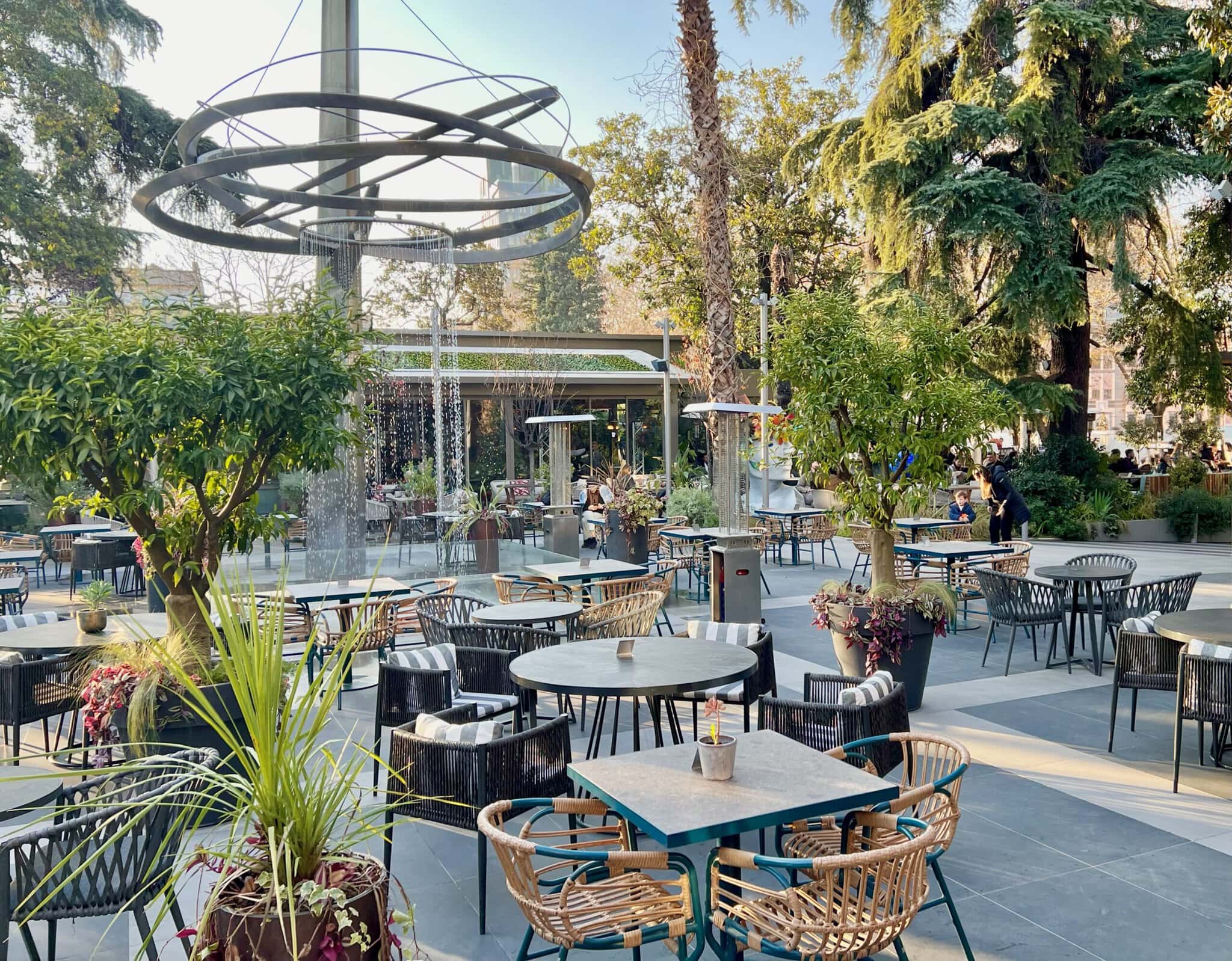
Tirana has quietly become a stop on a lot of digital nomads’ routes, and Blloku in particular has the density of laptop-friendly cafés to back that up — strong Wi-Fi, plenty of outlets, and enough foot traffic that nobody looks twice at someone working through a second coffee.
Antigua Specialty Coffee (see above) doubles as one of the more reliable work spots — bright, uncrowded outside peak hours, with Wi-Fi and power sockets built into the setup. Destil, a creative-hub-style café near the center, leans further into this with a spacious interior clearly designed with laptop users in mind, plenty of plugs, and a steady community of regulars working from the same tables. Artigiano is another solid option — modern, well-lit, with enough seating and outlets that you’re unlikely to be turned away for overstaying a single cup.
If you want something more local and less curated, Mulliri i Vjetër is a multi-location chain that’s become something of a default for reliable coffee at a fair price across several neighborhoods — not designed for laptops specifically, but dependable enough that plenty of people use it as one anyway.
Turkish Coffee in the New Bazaar
For coffee the way it was served here long before third-wave roasters or laptop-friendly seating existed, head to Pazari i Ri — the New Bazaar — and the older streets around it. Ottoman rule left a lasting mark on how Albanians drink coffee, and small, family-run spots around the bazaar and older neighborhoods like Ali Demi still serve properly made kafe turke: thick, unfiltered, and meant to be sipped slowly while the grounds settle at the bottom of the cup.
The bazaar itself was rebuilt and revitalized starting in 2016, and today the ring of cafés and small eateries around its colorful stalls makes it one of the more photogenic places in the city to sit down. A couple of spots worth a look if you’re wandering through are the Old Bazaar Coffee Lounge, which pairs traditional Albanian coffee with a more contemporary setting, and Juvenilja Café, a cozier, old-world take on the same tradition. For the full neighborhood picture — the bazaar, Blloku, and everything in between — see our Tirana neighborhoods guide, and if you’re hungry after all that coffee, our guide to where to eat in Tirana has the bazaar’s food stalls covered too.
Frequently Asked Questions
What should I order at a Tirana café if I don’t speak Albanian?
“Makiato” (macchiato) is the safest, most universal order and works at any hour. If you want something stronger and more traditional, ask for “kafe turke” (Turkish coffee).
How much does coffee cost in Tirana?
A standard espresso or macchiato typically runs 80–150 lek (roughly €0.70–ë1.30). Specialty pour-overs at third-wave shops like Antigua cost more but are still inexpensive by Western European standards.
Is it rude to sit at a café for hours without ordering more?
No — long, slow café sits are completely normal in Tirana, and one drink lasting an hour or more is standard practice, not an imposition.
Where’s the best area for café-hopping in Tirana?
Blloku has the highest density of terraces, specialty shops, and work-friendly cafés. For a more traditional experience, head to the New Bazaar (Pazari i Ri) and the surrounding older streets.
Are cafés in Tirana good for remote work?
Yes, particularly in Blloku — spots like Antigua Specialty Coffee, Destil, and Artigiano are set up with Wi-Fi and outlets specifically for laptop users, and nobody minds a long stay.
Do I need to tip at Tirana cafés?
It’s appreciated but not obligatory. Rounding up the bill or leaving small change is common and welcomed, especially at smaller, family-run spots.
What do you think?
Have you found your own favorite café in Tirana — whether it’s on this list or a hidden spot you’d rather keep to yourself? Tell us in the comments, and let us know if we missed your go-to.
Tirana runs on more than coffee, of course — but this is where a lot of it happens.
