
Key Takeaways
- What it is: A museum inside the actual former headquarters of the Sigurimi, Albania’s Cold War-era secret police, documenting wiretapping, informant networks and interrogation from 1944 to 1991.
- Where: Central Tirana, on Rruga Dëshmorët e 4 Shkurtit, directly opposite the Orthodox Cathedral and a few minutes on foot from Et’hem Bej Mosque and Skanderbeg Square.
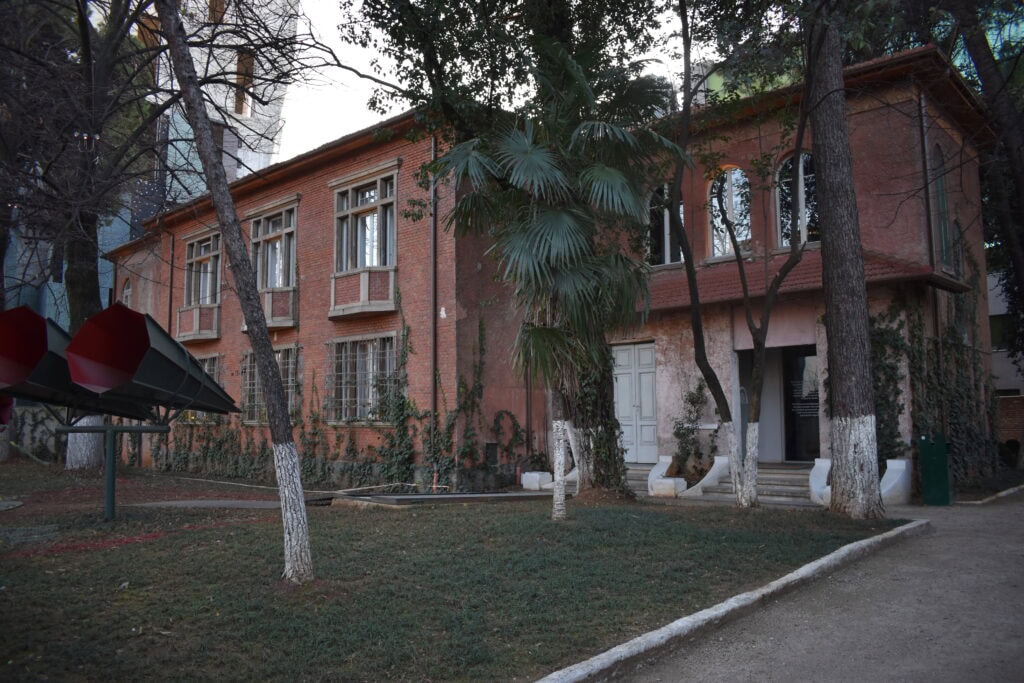
- Why the name: The façade is covered in climbing ivy — but locals also say the “leaves” are the mountains of surveillance paperwork once stored inside.
- What you’ll see: Real bugging devices, hidden cameras, a darkroom for intercepted photographs, a fingerprint lab, and rooms of intercepted letters and transcripts.
- Price & hours: Around 700 lek for adults, cash only — but confirm price and opening hours before you go; sources don’t fully agree.
- Time needed: 60–90 minutes. Not a place you rush.
Right in the center of Tirana, across from the Orthodox Cathedral of the Resurrection of Christ and a short walk from Skanderbeg Square, there’s a villa with ivy climbing up its walls. It looks, from the street, like the kind of pretty old building you’d photograph and move on from. It is not that kind of building. For nearly fifty years it was the nerve center of the Sigurimi — Albania’s communist-era secret police — the place where phone calls were recorded, letters were steamed open and read, and entire lives were quietly taken apart on paper. Today it’s the Museum of Secret Surveillance, known to almost everyone here simply as Shtëpia me Gjethe — the House of Leaves. It is, without much competition, the most important thirty minutes you can spend in Tirana if you actually want to understand this country.
A Maternity Clinic That Became a House of Fear
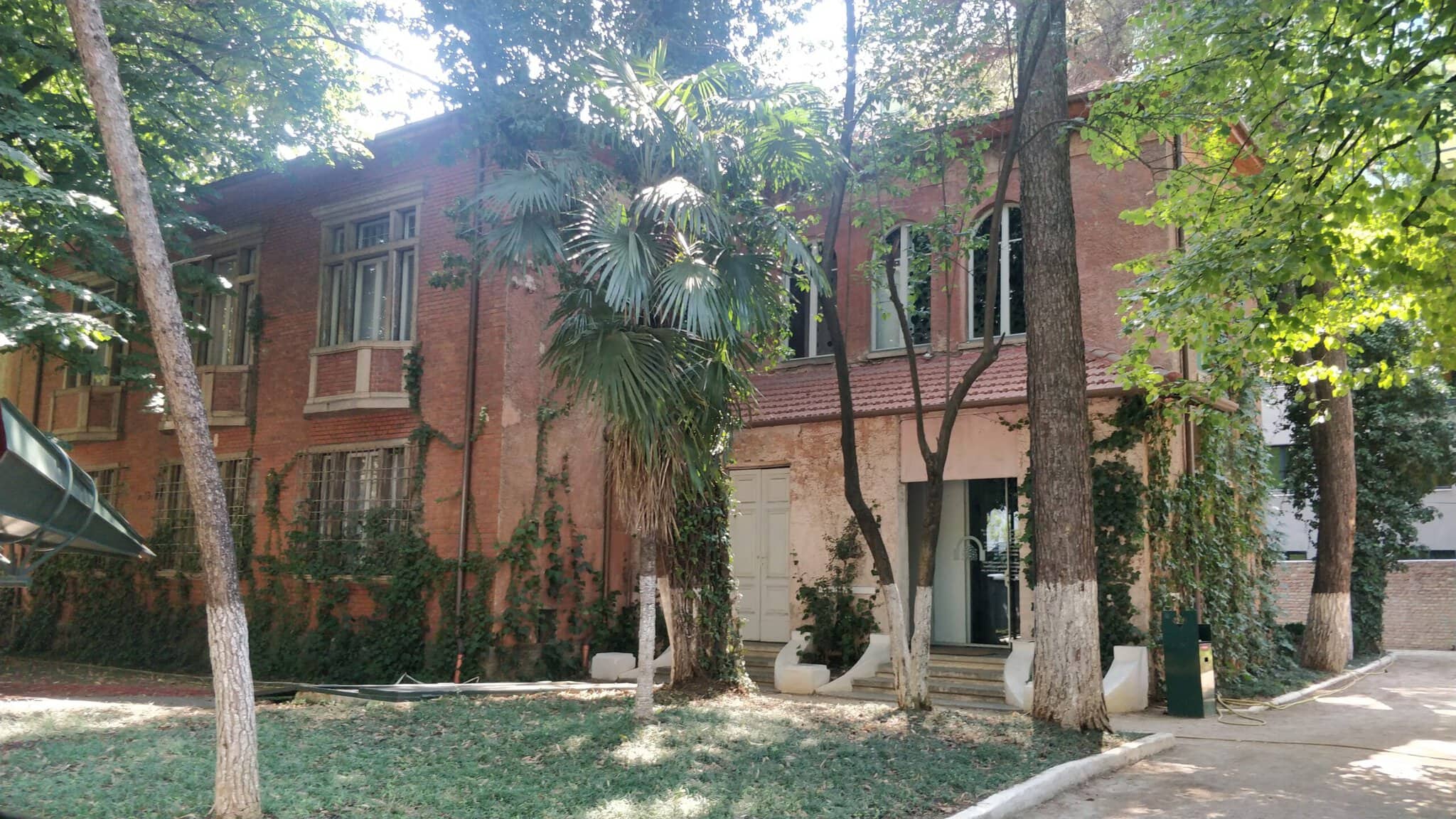
The building predates the horror it’s remembered for. It went up in 1931 as Albania’s first private obstetrics clinic — a place where Tirana families came to have their babies delivered. Almost nothing about its next fifty years kept anything gentle about it.
During the German occupation in the early 1940s, the Gestapo took it over as a temporary base. Then, in 1944, when Enver Hoxha’s communists seized power, the villa was handed to the newly formed Sigurimi — the Drejtoria e Sigurimit të Shtetit, or State Security Directorate — and it never went back to being anything else. From 1944 until the regime collapsed in 1991, this two-story house with its quiet courtyard was where Albania’s surveillance state ran its machinery: recording devices, intercepted mail, developed photographs, transcribed conversations, all of it moving through thirty-one ordinary-looking rooms.
Did you know?
Albania’s regime built an estimated 170,000 concrete bunkers across a country of fewer than three million people — the same paranoia that ran the machinery inside this house.
What You’ll Actually See Inside
Planning a Trip to Tirana?
Get my free Tirana in 48 Hours checklist with day-by-day itinerary, prices, and local tips.
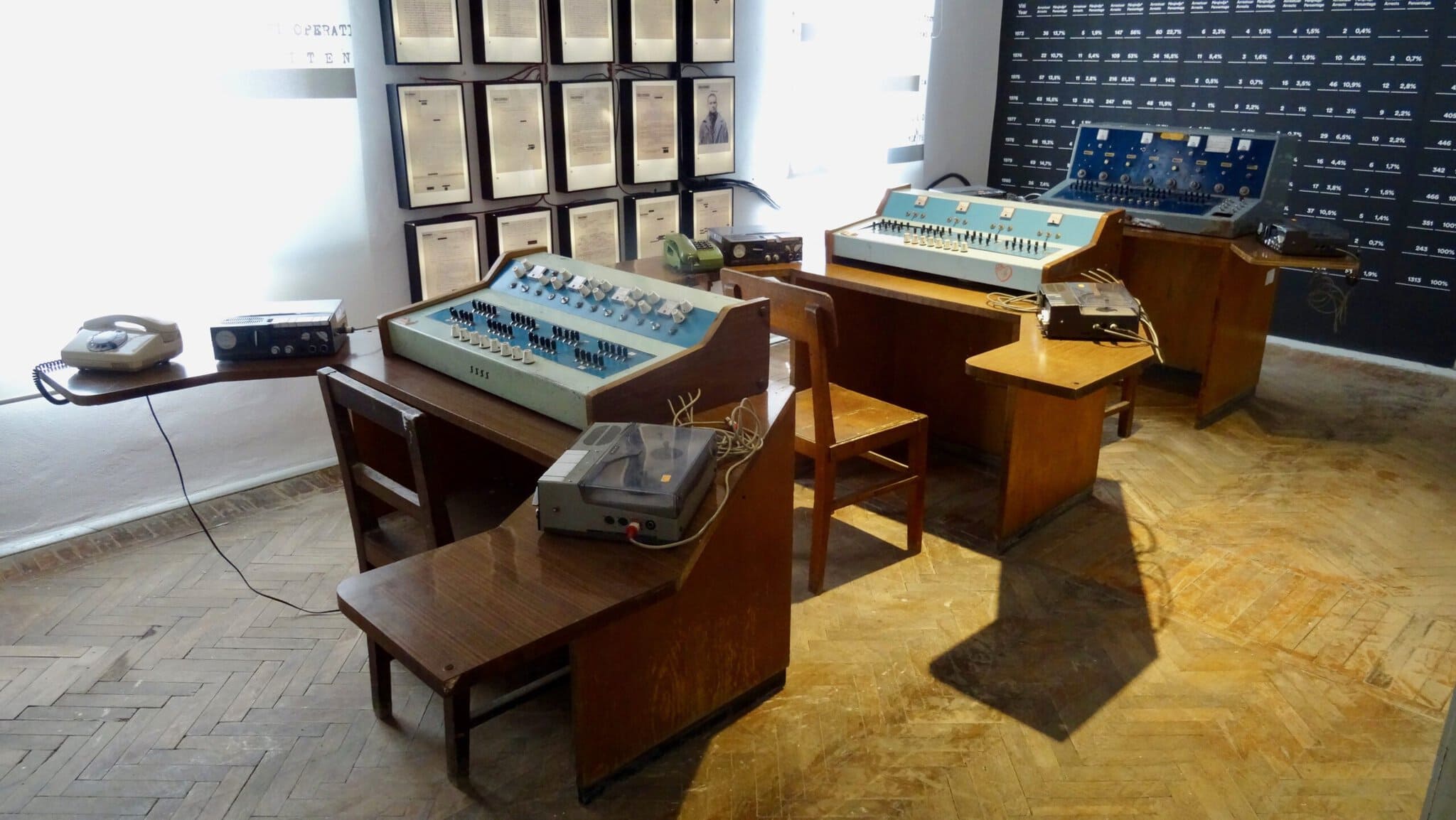
Get the Free Checklist →This isn’t a museum of plaques and dates — it’s a museum of objects actually used, in this building, to spy on ordinary people. The collection includes real surveillance equipment sourced from Soviet, East German, Chinese and Japanese suppliers: microphones the size of a coin, tape recorders built into furniture, cameras hidden inside handbags and suitcase locks. There’s a darkroom where intercepted film was developed, and a small forensic lab for chemicals and fingerprints.
One room reconstructs an ordinary communist-era living room, furniture and all, which sounds almost cozy until you notice where a listening device would have sat. Another section lays out how the regime’s informant networks worked — actual transcripts of conversations reported by neighbors, colleagues, even relatives, on people who trusted them. There are illustrated accounts of interrogation methods alongside survivor testimony, which is the part most visitors find hardest to walk past quickly. Out in the garden, a concrete door marks the entrance to an underground tunnel, and an outdoor wall of photographs puts names and faces to the people who ran this system.
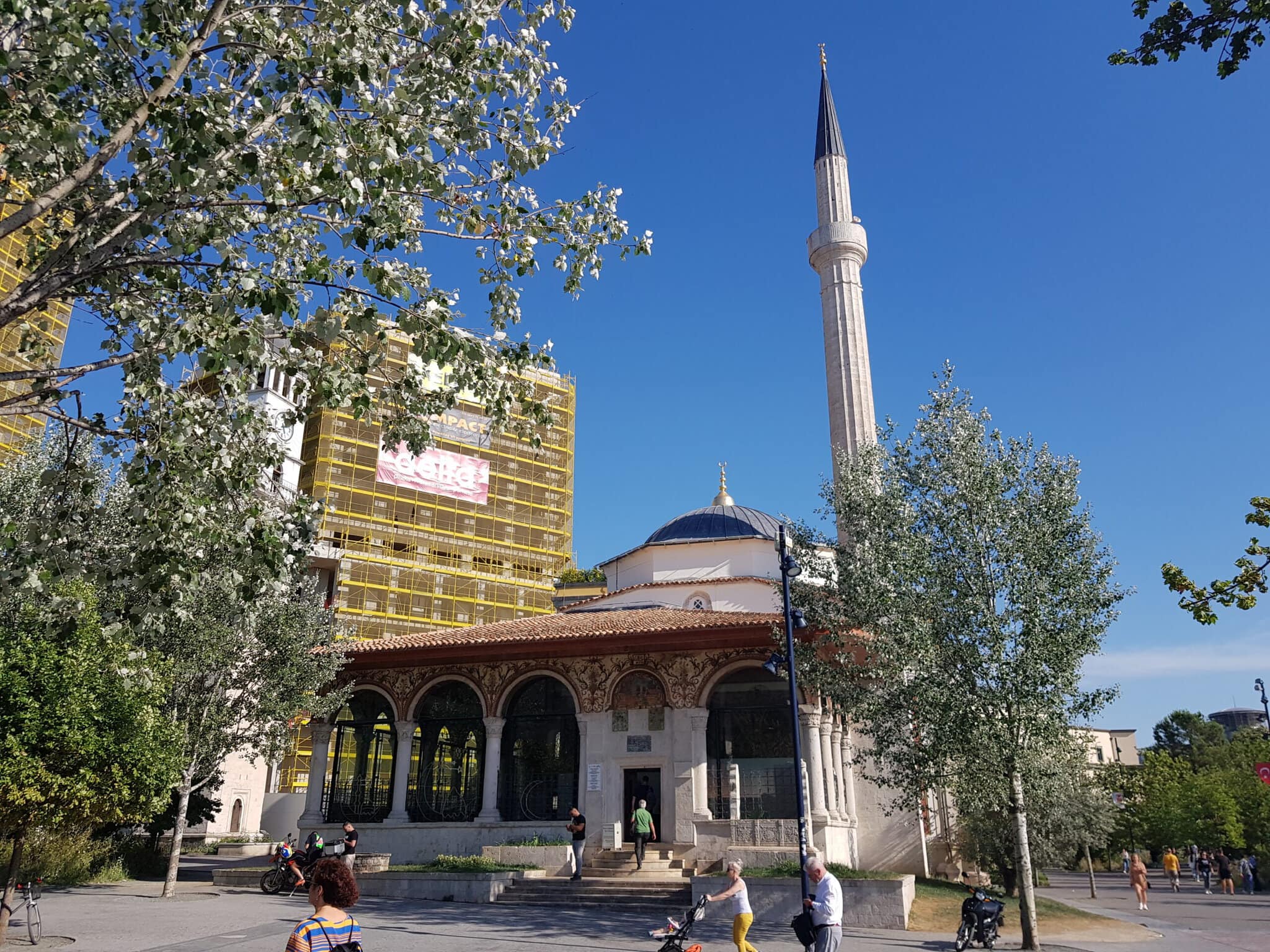
A note on the images: photography is prohibited inside the museum, so what you see here is the exterior, one exhibition space, and the surrounding neighborhood — not a substitute for going in person.
The Human Story: What Total Surveillance Actually Looked Like
Historians estimate Albania’s communist regime imprisoned around 18,000 people in labor camps and prisons, and executed several thousand more — figures still debated as archives keep opening. What the House of Leaves does better than any statistic is show you the mechanism: not “the regime was repressive” in the abstract, but this specific room, this reel-to-reel recorder, this transcript of a phone call between two people who thought they were speaking privately.
That’s the part that tends to stay with people. The everyday objects — a bugged handbag, an ordinary-looking suitcase — are more unsettling than any weapon on display, because they’re a reminder that under Sigurimi rule, nothing was assumed to be private. Not a letter, not a living room, not a conversation with a neighbor who might, or might not, be reporting back. If you want the broader arc of how Albania got here and what came after, our guide to Albanian history for beginners is a useful companion piece before or after you visit.
Visiting the House of Leaves: Location, Hours, and Price
The museum sits at Rruga Dëshmorët e 4 Shkurtit, directly across from the Orthodox Cathedral of the Resurrection of Christ, close enough to Skanderbeg Square and Et’hem Bej Mosque that you can easily fold it into a walk through the city center. If you’re already following our self-guided Tirana walking tour, this is a natural stop to add.
Hours and price — verify before you go. Most sources list the museum as open daily, roughly 9:00 to 19:00, though a few note shorter hours or a weekly closure — don’t build a tight schedule around it without checking that day. A standard adult ticket runs around 700 lek (about €7), with reduced group rates and free entry for children under twelve, and it’s cash-only. Photography isn’t allowed inside — part of why the place feels different from most museums: you’re asked to actually look, not photograph and move on.
Give it 60 to 90 minutes. It fits naturally into a longer first visit too, alongside the rest of what’s covered in our 72-hour Tirana city guide or our broader roundup of things to do in Tirana.
Why This Belongs on Every Serious Tirana Itinerary
Tirana has plenty of places that are easy to enjoy without thinking too hard — the cafés in Blloku, the Pyramid, the pastel Communist-era blocks the city’s been repainting for years. The House of Leaves isn’t one of them, and isn’t trying to be. It’s the museum that explains why so much of Albanian daily life still carries an instinct toward caution and privacy that outsiders sometimes mistake for coldness. Walk through those thirty-one rooms and you start to understand a version of this country the cafés and the photos never will.
Then, and Now: A Local’s Reflection
Here’s something no guidebook will tell you: I pass the House of Leaves at least five times a week. It’s simply part of my Tirana. And its ivy-covered walls have become, for me, a quiet standing reminder — not only of how things used to be, but of how easily a society can slide back into being watched.
Because the questions this building raises aren’t only about the past. Walk through Tirana today and you’ll notice more cameras going up every year. The government talks with real enthusiasm about building a “smart city,” and I understand the appeal — but I’d gently point out that a smart city carries a surveillance city folded quietly inside it. I don’t say that to be cynical, or to point a finger at anyone in particular.
What lingers longer than the technology is the mentality. The instinct to watch your neighbour, to note what they might be doing wrong, to keep a quiet mental file — that habit didn’t vanish in 1991. It stayed with the older generation especially. The younger generation is far less inclined to it, and I’m grateful for that — but the impulse hasn’t fully gone, and technology now makes it easier than any Sigurimi officer ever had it.
Visit the House of Leaves for the history — but let it ask you a question, too, about how thin the line really is between a state that keeps you safe and one that keeps you watched.
That question is why this building still matters. It’s also why I keep noticing it, five times a week, every week.
Frequently Asked Questions
What is the House of Leaves museum in Tirana?
It’s the Museum of Secret Surveillance, housed in the actual former headquarters of the Sigurimi, Albania’s communist-era secret police. It documents wiretapping, informant networks and interrogation methods used against Albanian citizens from 1944 to 1991.
Why is it called the House of Leaves?
The nickname comes from the ivy that covers the building’s façade — though locals also point to the sheer volume of surveillance paperwork once stored inside.
How much does it cost to visit?
Reports put a standard adult ticket around 700 lek (roughly €7), cash only, with lower group rates and free entry for children under twelve. Prices at Albanian state museums shift, so confirm before you go.
What are the opening hours?
Most current listings show daily hours of roughly 9:00 to 19:00, though some sources note shorter hours or a weekly closure. Verify before you go.
Is it appropriate for children?
There’s graphic material — illustrated torture methods, survivor testimony, and disturbing detail throughout. It’s not a museum for young children.
How long should I plan to spend there?
Most visitors need 60 to 90 minutes. It rewards a slow pace, and many people find the weight of it lingers well after they leave.
What do you think?
Have you visited the House of Leaves? What stayed with you longest after walking out — and do you think a “smart city” can ever be fully separated from a surveilled one?
The House of Leaves is one of the clearest windows into Albania’s communist past still standing in the country. For wider cultural context, see our guide to Albanian culture.
Subscribe to monthly updates
Get honest Albania travel tips, local guides, and new posts straight to your inbox. No spam, unsubscribe anytime.
