
Key Takeaways
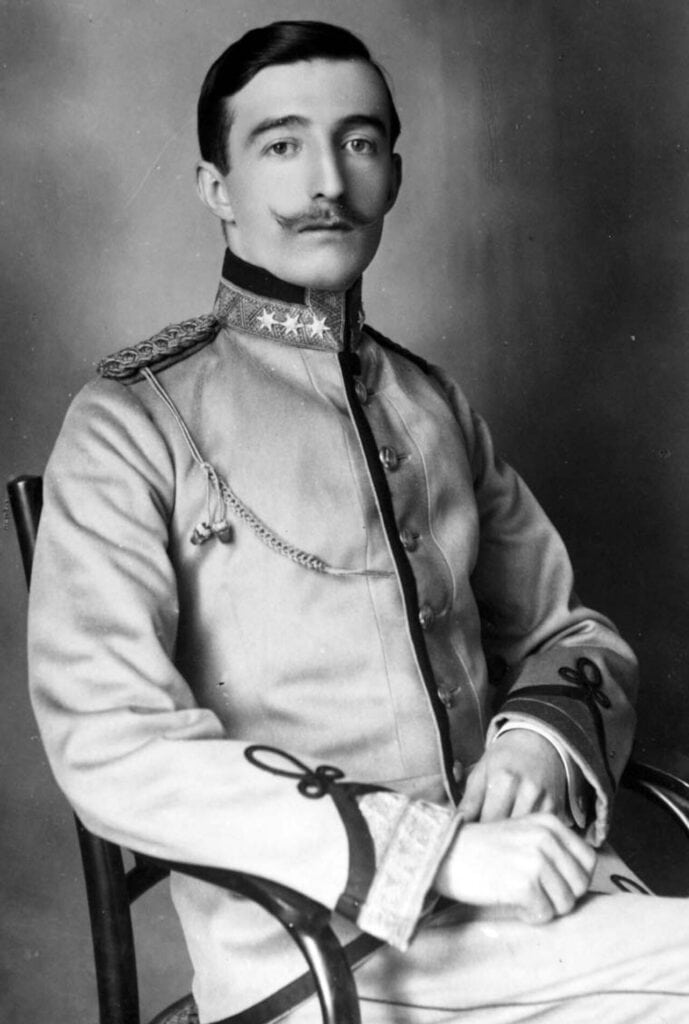
- Ahmet Zogu made himself king from nothing — a tribal chief’s son from Mati who became Prime Minister, then President, then, on 1 September 1928, was enthroned by Albania’s Constituent Assembly as Zog I.
- His formal title was “King of the Albanians,” not “King of Albania” — a deliberate distinction claiming all ethnic Albanians, including those living outside the country’s borders.
- He reputedly survived dozens of assassination attempts — most famously outside the Vienna State Opera in 1931 — though the exact number is popular legend, not documented fact.
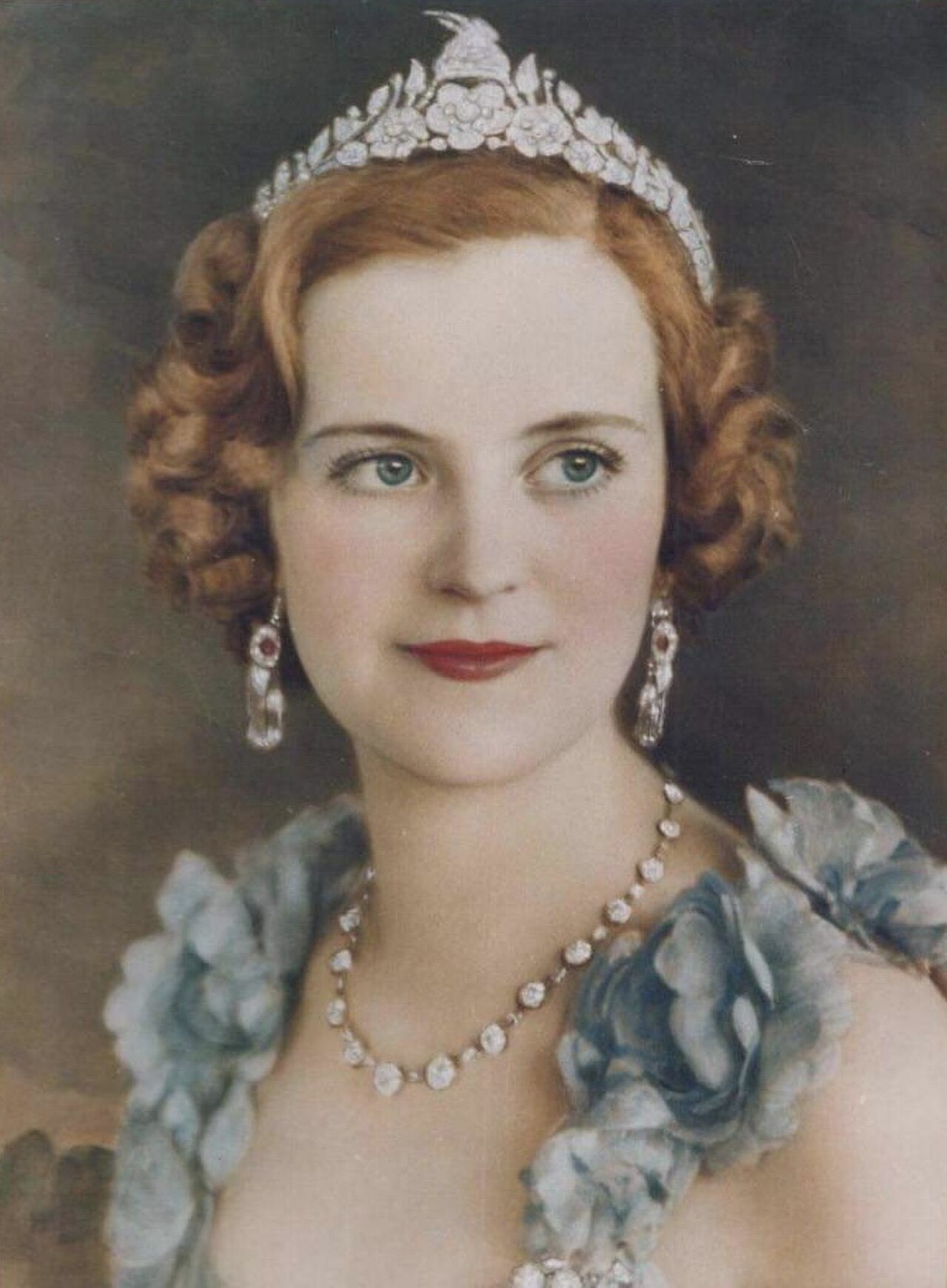
- He married Countess Geraldine Apponyi in 1938, and their son, Crown Prince Leka, was born two days before Italy invaded Albania on 7 April 1939.
- Zog fled into exile and never returned, living out his life in Britain, Egypt, and France before dying in 1961.
- His remains came home in November 2012, more than seven decades after he left, reburied in a rebuilt royal mausoleum in Tirana.
Table of Contents
- Introduction
- The Mati Chief Who Refused to Stay Small
- King of the Albanians, Not King of Albania
- Building a Kingdom Out of Almost Nothing
- The Night Outside the Vienna Opera
- A Queen for Albania
- April 1939: The Crown Runs Out of Time
- A King Without a Country
- The Long Road Home
- What Zog Means to Albanians Today
- Frequently Asked Questions
- Closing
Introduction
Every country has a founding myth it tells proudly. Albania has one it tells with a raised eyebrow.
Ask most Albanians about King Zog and you won’t get a straightforward answer. You’ll get a smirk, maybe a joke about how many cigarettes the man supposedly smoked, definitely a mention of the assassination attempts, and then — if the conversation runs long enough — something more complicated. Because whatever else he was, Ahmet Zogu is the only Albanian in history to actually become a king. Not born into it. Not married into it. Built it himself, out of tribal politics, a private army, and sheer nerve — then lost it all in eleven years.
I grew up in Tirana hearing pieces of this story long before I understood how strange it really is. A local chieftain’s son who ends up styled “His Majesty,” dodging bullets outside a Vienna opera house, marrying a Hungarian countess, and dying in a French hospital having never seen his country again. It sounds invented. It happened here, in living memory of people whose grandparents could still tell you about it.
For me this is not quite history. Zog came from Mat, the highland region in the north-centre of the country — the same ground that produced Gjon Kastrioti, Skanderbeg’s father, which tells you something about how that part of Albania has long seen itself. It sits where the north meets the centre, and people from there carry a particular sense of having been the ones who held the line, whether against the Ottomans, the Slavs or the Greeks.
But his court was in Tirana, and that is where my father comes in. He is still alive, and he grew up in a Tirana that has nothing to do with the city you will walk through today — not a metropolis but something closer to open field, a handful of buildings and old houses, almost everybody poor and living a more or less rural life even after the place became the capital. He roamed it as a boy. What he remembers, and still tells me, is standing with his own mother watching the king’s sisters ride out on horseback. That is the Tirana Zog ruled: a place where a woman could take her son to the edge of a field and watch the royal family go by.
So let’s do this one properly — not the tabloid version, and not the dry textbook version either. The real story, with legend clearly marked as legend, and fact treated with the seriousness it deserves.
The Mati Chief Who Refused to Stay Small
Planning a Trip to Tirana?
Get my free Tirana in 48 Hours checklist with day-by-day itinerary, prices, and local tips.
Get the Free Checklist →Ahmet Zogu was born in 1895 in the highlands of Mati, into a family that led one of the region’s tribal clans — the kind of hereditary authority that meant something in the mountains but nothing in Europe’s chancelleries. Albania itself was barely a country yet, having declared independence from the Ottomans only in 1912. For the next decade it was less a functioning state than contested territory that Italy, Serbia, and Greece all had opinions about.
Into that vacuum stepped Zogu — young, ambitious, willing to build and lead an armed following and out-maneuver rival strongmen one by one. By 1922 he was Minister of the Interior, then Prime Minister. A 1924 uprising briefly forced him into exile in Yugoslavia, but he returned the same year at the head of a force that retook the capital. In January 1925 he had himself elected President of the new Albanian Republic.
A republic whose president commands his own militia rarely stays a republic. On 1 September 1928, Albania’s Constituent Assembly formally enthroned him as King Zog I. He was thirty-two, and he had gone from mountain chieftain to monarch without a drop of royal blood — through political nerve and control of force alone. Albania has produced its share of unlikely figures who reached far beyond their origins, but none quite like this.
Did you know?
Zog is one of the few people in modern history to go from a small nation’s tribal aristocracy to reigning monarch purely through his own political and military maneuvering — no dynastic marriage, no inherited throne, no foreign crown handed to him at the start.
King of the Albanians, Not King of Albania
Here’s a detail most quick summaries flatten, and it matters more than it looks: Zog’s formal royal style was “King of the Albanians” (Mbret i Shqiptarëve), not “King of Albania.”
That’s not a translation quirk. It was a deliberate choice, read as a deliberate provocation by Albania’s neighbors — especially Yugoslavia, which had a large ethnic Albanian population within its own borders, particularly in Kosovo. A king “of Albania” reigns over territory. A king “of the Albanians” claims a people, wherever they live. It planted a flag, rhetorically, well beyond Albania’s actual borders.
Whether Zog fully intended that geopolitical weight or simply reached for the grander title, it stuck. For a country barely sixteen years past its own declaration of independence, that was an audacious thing to put on the letterhead.
What strikes me about the title is less the geography than what it bought. Europe in the 1930s still ran largely on kings and princes, and for a country as new and as poorly regarded as Albania then was, having a king at all was a way of being spoken to as an equal rather than as a problem to be managed. The marriage served the same end: he married Countess Geraldine Apponyi, of a Hungarian noble family, in Tirana in April 1938, and that was taken seriously at the time in a way that is easy to underrate now. It placed Albania, briefly, inside the same club as everybody else.
Building a Kingdom Out of Almost Nothing
Once crowned, Zog governed the way he’d fought his way to the throne: firmly, personally, with little patience for institutions that might check him. Albania under Zog was, in practice, an authoritarian monarchy — opposition suppressed, the press controlled, power radiating outward from the king far more than from parliament.
But he also did things the old tribal chiefs of his own class had never bothered with. He pushed a legal code modeled partly on European civil law to replace the patchwork of customary tribal law, including the ancient Kanun, that had governed the highlands for centuries. He tried, with mixed success, to build roads, schools, and a functioning central administration in a country that had almost none of it.
He also leaned heavily — too heavily, it turned out — on Fascist Italy for loans, military training, and political backing, a dependency that quietly mortgaged the independence his crown was supposed to guarantee. That tension between sovereignty and survival runs through much of Albania’s twentieth century, and Zog’s reign is where the pattern really takes hold.
The Night Outside the Vienna Opera
No part of the Zog story gets more retelling than the assassination attempts. Popular Albanian lore puts the number at around fifty-five over his political and royal career — a figure repeated so often it’s practically folklore, though it isn’t a documented, verified statistic. What is documented is that Zog survived a genuinely extraordinary number of plots and attacks, consistent with the blood-feud politics of the era and the enemies a self-made monarch accumulates on the way up.
The most famous incident happened far from home. On 20 February 1931, Zog was leaving the Vienna State Opera after a performance of Leoncavallo’s Pagliacci when gunmen opened fire. An aide was killed, and his companion, diplomat Ekrem Libohova, was wounded. His later biographers describe Zog drawing his own pistol and returning fire — a dramatic detail that’s become part of the legend — though contemporary reporting, including TIME magazine, described him ducking back inside the opera house instead. The two accounts don’t fully agree, a good reminder of how quickly a near-miss becomes legend once enough decades pass.
I cannot settle which account is true, but I can tell you which one rings right to me, and why. Albanians have never been especially good at organising, and we have always been too few to push back the powers that came for us, particularly once those powers had a superpower behind them. What we did have, as far back as the ancient accounts, was a reputation for courage — front-line men, praised for something close to indifference about dying. In Zog’s Albania that was not a sentiment, it was a survival mechanism: if you showed fear, people sensed it, and your enemies acted on it. A man who had made himself king out of a Mat chieftaincy, with almost none of the apparatus a real monarchy would have given him, had got there by never once letting that show. So of the two versions, the one where he draws his own pistol on a Vienna pavement is the one that fits the man and the moment. Take that as my read, though, not as my evidence.
He reputedly survived more assassination attempts than any other head of state in modern history — a claim repeated so often across Albania that it has become as much a part of his legend as any verified fact of his reign.
A Queen for Albania
For most of his reign Zog stayed unmarried, a bachelor king in his late thirties. That changed in 1938, when he married Countess Geraldine Apponyi, a young Hungarian aristocrat, on 27 April in Tirana — a genuinely lavish affair for a country that rarely got the chance to stage one.
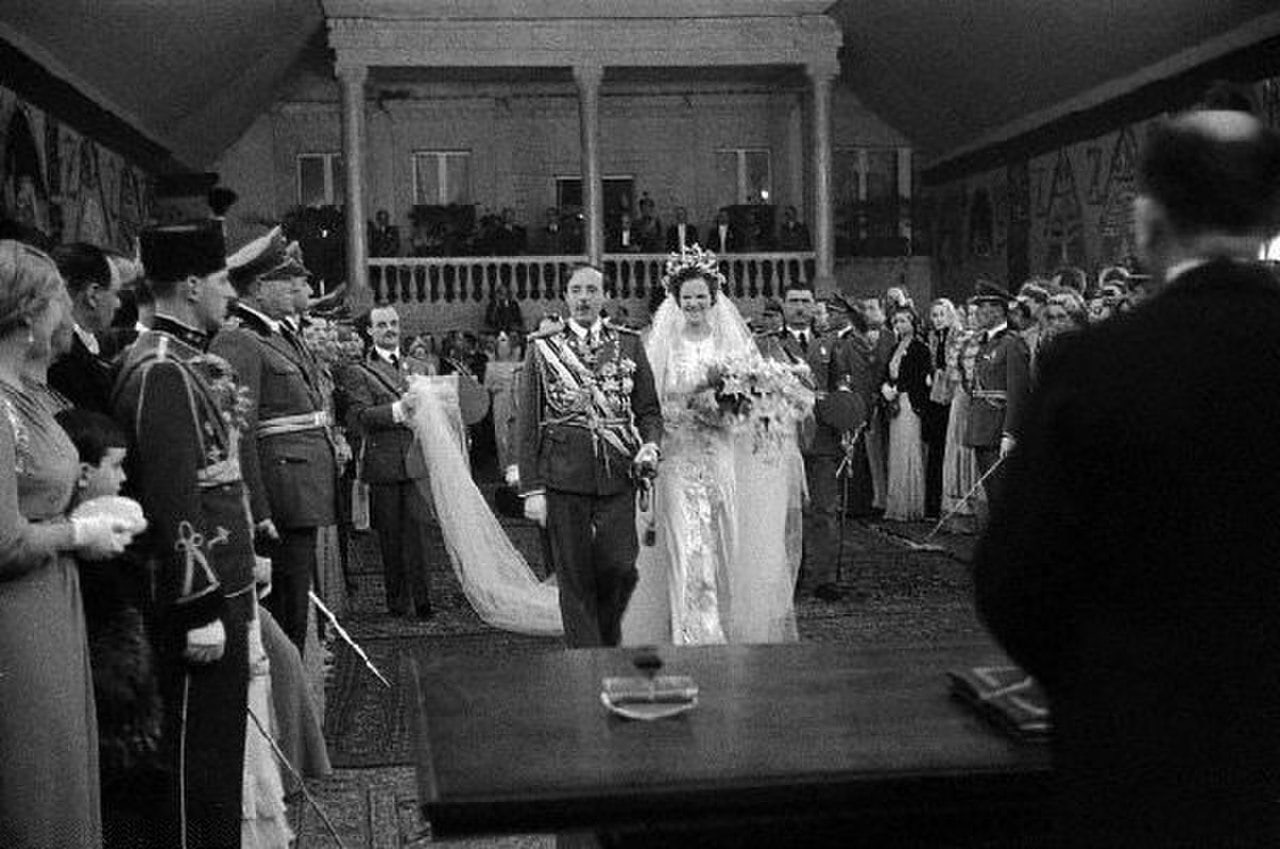
Geraldine became Queen of the Albanians, and less than a year later, on 5 April 1939, gave birth to their son and heir, Crown Prince Leka. It should have secured the dynasty. Instead it was the opening act of the end — Leka was two days old when Mussolini’s forces landed on Albania’s coast.
April 1939: The Crown Runs Out of Time
On 7 April 1939, Good Friday, Fascist Italy invaded. Zog’s small, poorly equipped forces put up scattered resistance, but there was never a realistic prospect of holding off a modern army. Within a day, the royal family made the decision that would define the rest of Zog’s life: rather than negotiate a puppet arrangement with Rome, they fled.
Zog, Geraldine, and their infant son crossed into Greece on 7–8 April 1939, carrying little in terms of a settled future. The formal transfer of power in Tirana followed on 12 April, when an Albanian assembly under Italian pressure offered the crown to Victor Emmanuel III of Italy, uniting the two crowns and ending Zog’s reign after not quite eleven years.
He would never set foot in Albania again.
A King Without a Country
What followed was two decades of exile through Greece, Turkey, Romania, France, Britain, and eventually Egypt, where the family lived for a time as guests of King Farouk. Zog kept a government-in-exile fiction alive for a while and kept issuing statements, but the substance of a kingdom was gone.
One detail still argued over, in Albania and among historians alike, is the gold. According to contemporary and later reports, Zog left in 1939 with a substantial quantity of state and treasury gold, reportedly loaded onto the royal train as Italian forces closed in. The exact amount, and whether it was a legitimate evacuation of reserves or a personal fortune, remains disputed — the answer tends to depend on who in Albania you ask.
Whatever the truth of the gold, it bought a comfortable exile. The family eventually settled in France. Zog reputedly smoked heavily — legend puts the figure at 150 to 200 cigarettes a day, almost certainly exaggerated folklore rather than verified fact, but fitting the outsized way Albanians still talk about him.
Back home, the Albania he’d ruled went from Italian occupation to German occupation to communist takeover, closing any realistic path back to the throne. The decades that followed under Enver Hoxha erased almost every physical trace of the monarchy, and for nearly fifty years, mentioning King Zog favorably in Albania could be dangerous.
The Long Road Home
Zog never returned. He died on 9 April 1961 at the Foch Hospital in Suresnes, just outside Paris, still formally a king with no kingdom to govern. His son Leka carried the claim forward as a pretender for decades, but the practical story of King Zog I ends in that Paris suburb in 1961.
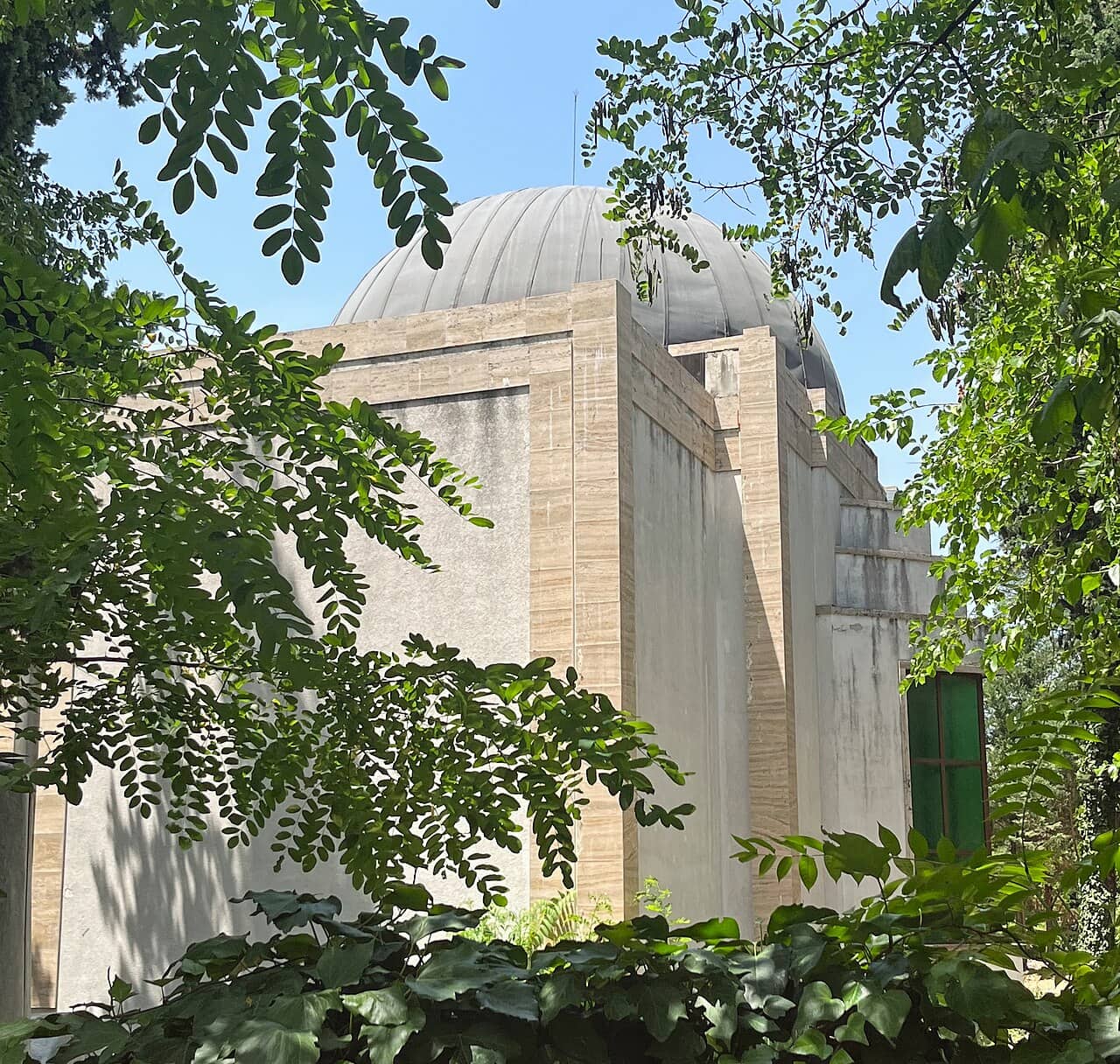
For more than fifty years that’s where it stayed — a grave in France, a chapter closed by communism. Then in November 2012, as Albania marked the centenary of its 1912 independence, the state arranged for Zog’s remains to be repatriated and reburied in a rebuilt royal mausoleum in Tirana, more than seventy years after he left as a fleeing king with an infant son and a train full of gold.
What Zog Means to Albanians Today
So what do Albanians actually make of him now?
Honestly, it depends who you ask, and that ambivalence is the most honest answer there is. To some, he’s a significant figure: the man who gave Albania its first real taste of centralized statehood and kept it nominally independent through volatile interwar years longer than many expected. To others, he’s remembered as an authoritarian who suppressed dissent, leaned on foreign powers for survival, and left the moment the fighting got serious — taking a fortune with him.
Where I land is probably where most Albanians land, which is somewhere less argumentative than either position above. Nobody elected him. He took power and he held it. And yet he is accepted — ask around and you will find people perfectly comfortable saying that Albania had a king, and meaning it without irony. He represented us at a point when being represented at all was not guaranteed, and that has outlasted the argument about how he governed.
What’s not in dispute is the scale of the story itself. A tribal chief’s son who made himself king, gave that kingship a name bold enough to unsettle his neighbors, dodged an opera-house ambush, married a countess, and lost everything to a fascist invasion before his infant son had opened his eyes properly. That’s not a story Albania needed to invent. It happened, largely within one eventful decade, and its echoes are still walked past every day in Tirana.
The echo easiest to miss is the city itself. The Tirana my father roamed was barely built; what gave it the shape of a capital was the Italian involvement that began as cooperation under Zog’s own agreements and then continued, far more heavily, once cooperation had turned into occupation. So the ceremonial centre you walk through is partly his doing and partly the doing of the people who removed him — an uncomfortable thing to say about a capital, and true all the same.
If you want to see where those echoes still sit in the modern city, Tirana rewards the kind of visitor willing to look past the surface. And if the monarchy period leaves you curious about what actually outlasted it, Albania’s older cultural threads run deeper and stranger than most outsiders expect.
Frequently Asked Questions
Who was King Zog of Albania?
Ahmet Zogu (1895–1961) was an Albanian tribal leader from Mati who rose through Albanian politics to become Prime Minister in 1922, President in 1925, and finally King Zog I on 1 September 1928, when Albania’s Constituent Assembly enthroned him as monarch. He ruled until Italy’s invasion forced him into exile in April 1939.
Why was he called “King of the Albanians” instead of “King of Albania”?
His formal royal style, “King of the Albanians” (Mbret i Shqiptarëve), deliberately referred to the Albanian people rather than the territory alone — a claim extending to ethnic Albanians beyond the country’s borders, particularly in Kosovo, which alarmed neighboring Yugoslavia at the time.
Did King Zog really survive around 55 assassination attempts?
That figure is widely repeated in Albanian popular lore and by some counts in secondary sources, but it isn’t a rigorously documented statistic. Understand it as legend built around a genuinely high number of real threats, not a verified historical count.
What happened in the 1931 Vienna assassination attempt?
On 20 February 1931, gunmen attacked Zog as he left the Vienna State Opera after a performance of Pagliacci. His aide was killed and his companion Ekrem Libohova was wounded. Biographers describe Zog returning fire, though contemporary reports, including TIME magazine, described him retreating back inside instead.
Did King Zog take Albania’s gold reserves when he fled in 1939?
According to contemporary and later reports, Zog left with a substantial amount of state and treasury gold as Italian forces invaded. The exact amount and the legitimacy of taking it remain disputed among historians and within Albania itself.
Is King Zog buried in Albania today?
Yes. Zog died on 9 April 1961 in Suresnes, France, and was buried there for over fifty years. In November 2012, his remains were repatriated and reburied in a rebuilt royal mausoleum in Tirana, alongside Queen Geraldine and other family members.
Closing
King Zog isn’t a comfortable figure to sum up in a tidy sentence, and I don’t think he should be. A self-made monarch in a century that had mostly stopped producing those, an authoritarian moderniser, a survivor of real danger wrapped in exaggerated legend, and a man who left carrying his country’s gold and never came back to answer for any of it — until his bones did, seventy-three years later.
That’s Albania’s relationship with its own history in miniature: complicated, argued-over, not fully settled, and more interesting for it.
What do you think?
Had you heard of King Zog before reading this? Does a self-made king who fled with the treasury deserve more credit or more criticism than history usually gives him? I’d love to hear your take in the comments.
Subscribe to monthly updates
Get honest Albania travel tips, local guides, and new posts straight to your inbox. No spam, unsubscribe anytime.
